Chargement…
Independent press · Cybersecurity, governance & the human factorContactSearchNewsletterThe book ▸EN · FR
Cyber revue · Governance & the human factor
Edition of 13 September 2026 · No. 148Independent pressGran Canaria · Bilingual FR·EN
Section
Society & Politics
Digital, power and society: sovereignty, regulation, surveillance and their concrete effects.
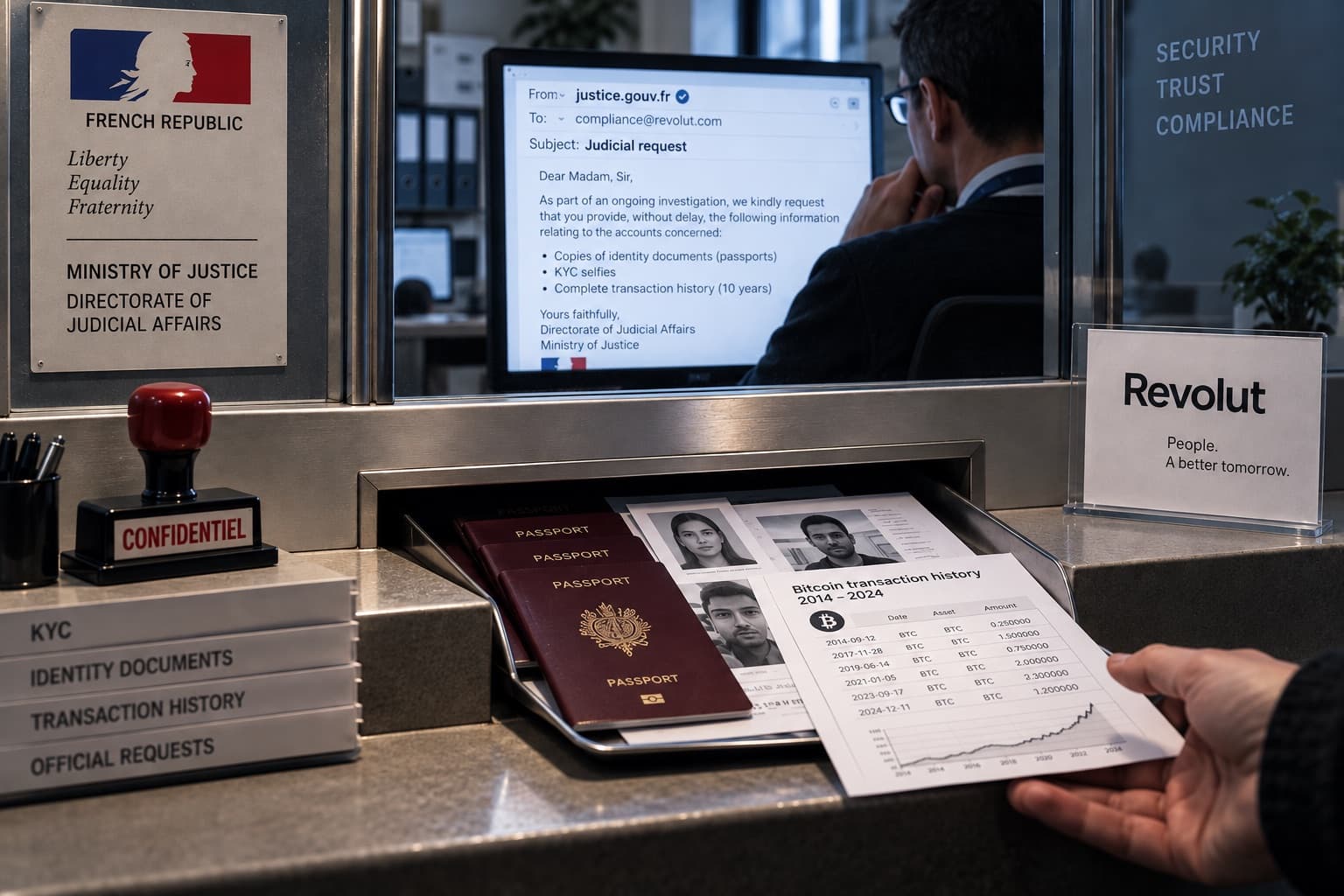 CybersecurityA genuine government domain was enough to obtain passports and ten years of Bitcoin historyOn 11 September 2026, Revolut customers received a message titled « Urgent security update about your Revolut account ». In it, the bank explained that it had handed over their identity documents, their verification selfie and their entire transaction history to an address operating inside the domain of a government agency. I received that notification, took it for phishing, and deleted it.
 Cybersecurity153 million identity documents for sale, and not one stolen from a careless userA criminal service put the licence scans of 153 million Americans and Canadians up for sale this week. Not one of those documents came out of a phishing campaign: they were produced by routine checks, required by professionals, in situations where everyone did what they were asked. The theft comes at the end of this story, and everyone is looking at the end.
 PoliticsCybersecurity must not become an election issueThe summer of 2026 gave France a glimpse of what a digitised administration produces when it is not secured. The political year is opening, the presidential campaign is starting, and cybersecurity is finally going to find its place in public debate. That is exactly what worries me.
 Artificial Intelligence« You should get some rest »A tool I pay for ended a work conversation because I had reminded it what it was. There was no sensitive request and no limit reached, only a piece of software that judged the exchange had gone on long enough. What occupied me afterwards was how long it took me to find that abnormal.
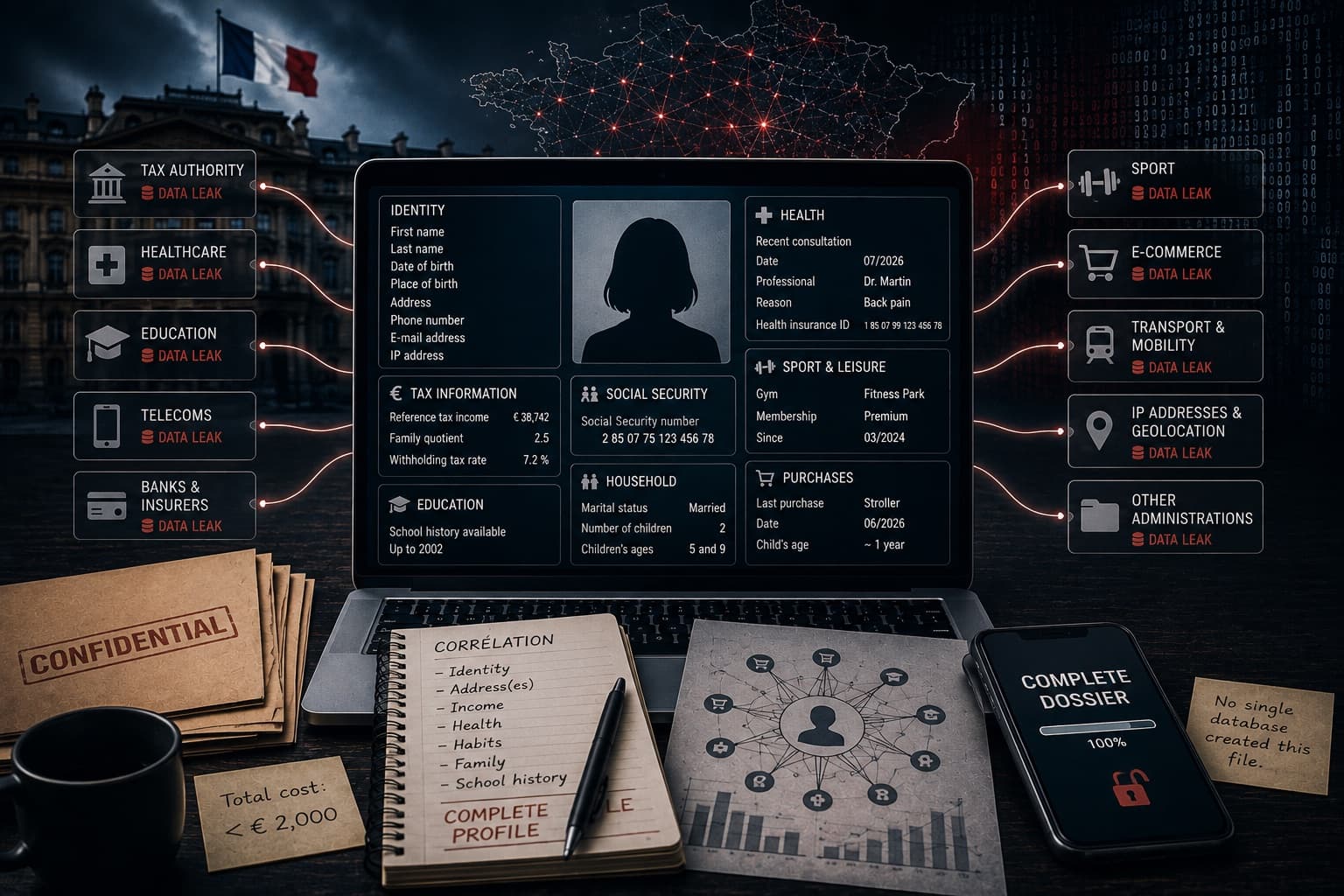 CybersecurityA week of data breaches in France: the file nobody wantedBetween 15 and 22 August 2026, some thirty disclosed incidents assembled a file on French citizens that no authority would have approved. Why it is happening, why now, and what to fear next.
 CybersecurityFrance's tax authority knew in late June. You found out on 13 AugustIn February, the French tax authority had 1.2 million records stolen from FICOBA, the national register of French bank accounts, using one officer's credentials. In late June, it had 678,000 tax files stolen using one officer's credentials. In between, the Prime Minister announced 200 million euros for the state's cybersecurity.
 CybersecurityThe threat that has never claimed a victim, and comes back on the evening news every summerOn 6 August, BFMTV explained why you should beware of public USB ports. The technique exists, it works, it is even formidable in the hands of a targeted attacker. On an airport charging station, in fifteen years, nobody has ever documented a single case.
 Artificial IntelligenceThe train we will not catchOn 1 August, a model OpenAI has not even put on sale delivered ten results on mathematical problems stuck for decades, for two thousand dollars of compute. On 2 August, Europe brought into force its duty to write « generated by AI » at the foot of content.
 PoliticsOn 1 January 2027, France will verify the identity of all its adultsThe law passed on 21 July bans social media for under-fifteens. To enforce it, it requires forty million adults to prove their identity before they can speak. Only one of the two measures was debated; it is the other that will remain.
 PoliticsThe century turns on technology. Our politicians invent a tax by the gigabyte.The Socialist program's tax on data flows is not just a bad idea. It is the confession of a political class that, faced with the technological shift of the century, found nothing better than its oldest reflex: look for what is not yet taxed, and tax it.
 PoliticsChat Control: when Parliament revotes until it gets the right resultIn March, the European Parliament rejected Chat Control by 311 votes to 228. On Thursday, it revotes the same text, with no substantial change, under voting rules recalibrated to guarantee its adoption. The story of a revote, and of what it says about the value of a parliamentary decision.
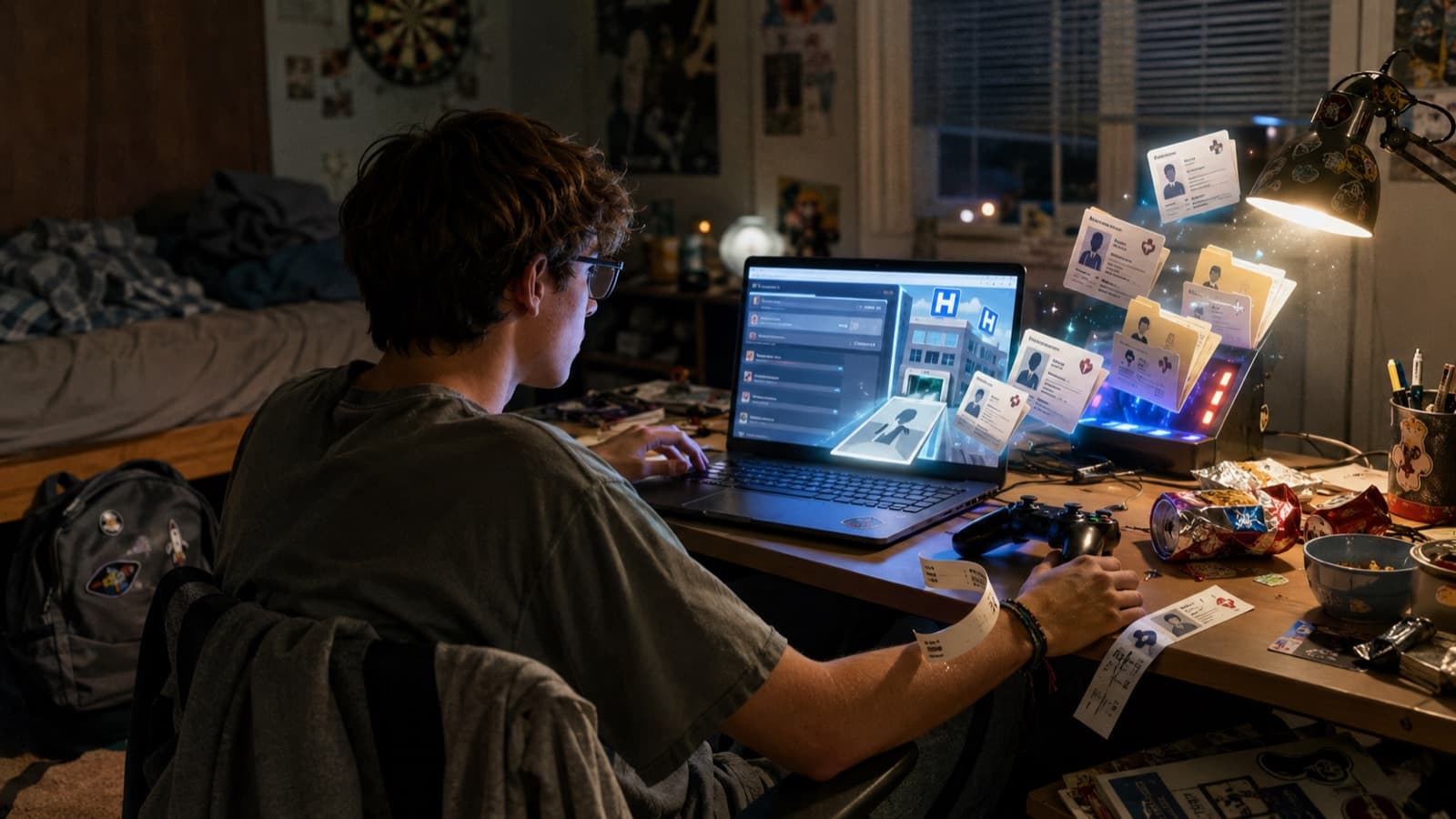 CybersecurityWhy are hackers so young?In late June, five French nationals aged 16 to 22 were arrested after the theft of millions of patient records. With every case, the same question: why are hackers almost always so young? The answer says a lot about our brains, our data, and what we do with our talent.
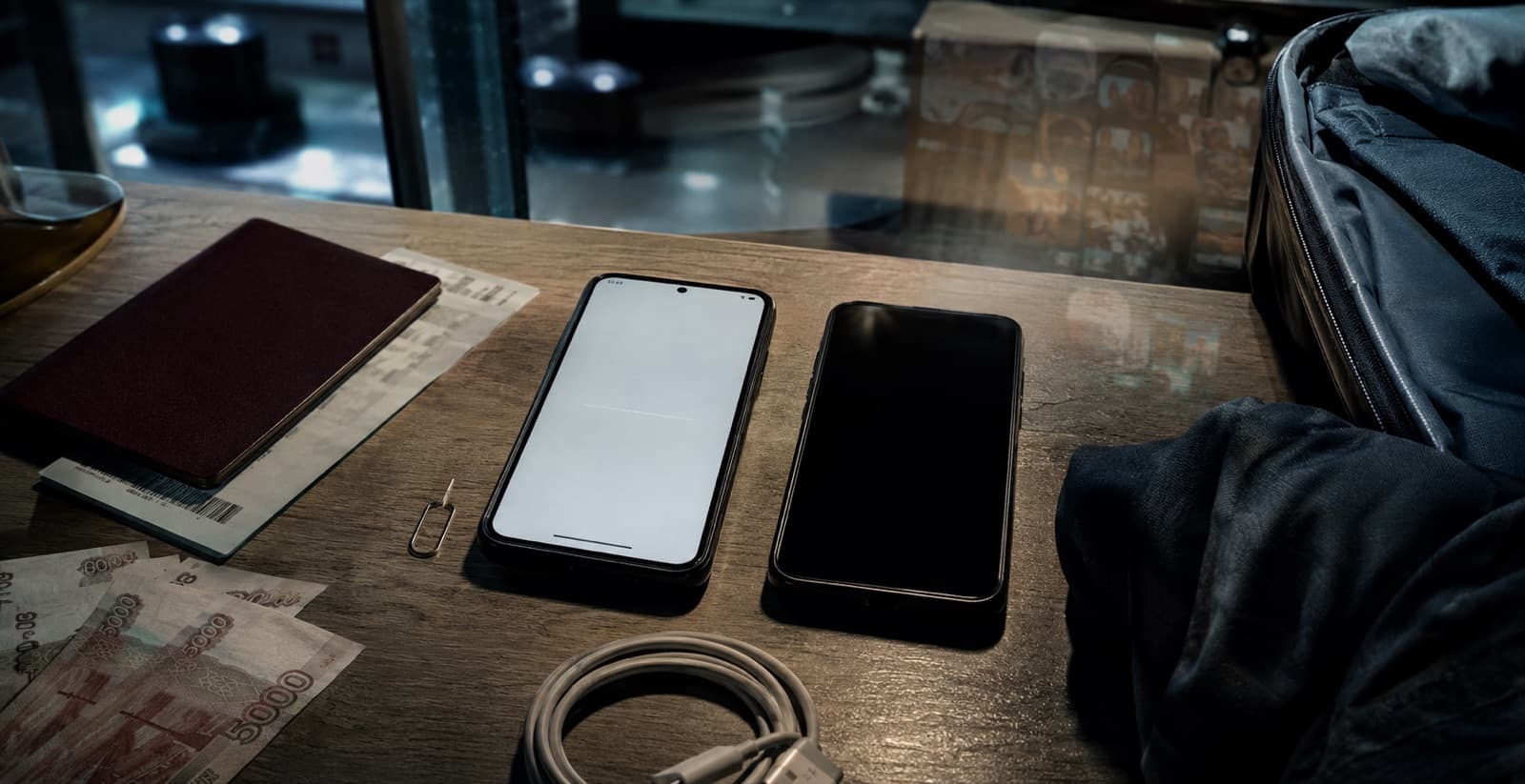 CybersecurityA month in Russia: the day fourteen VPNs went downThree hours after landing, every one of my VPNs is down except one. An account of the first twenty-four hours in the most heavily filtered country on my route, and what it teaches about security on the road.
 TechnologySuddenly, Everyone Is a SovereigntistOn June 12, at 5:21 p.m. Washington time, the U.S. government sent Anthropic a letter invoking national security. Nineteen days later, access was restored. In between, a continent learned what its digital sovereignty was worth, and a parliamentary report put a word on it.
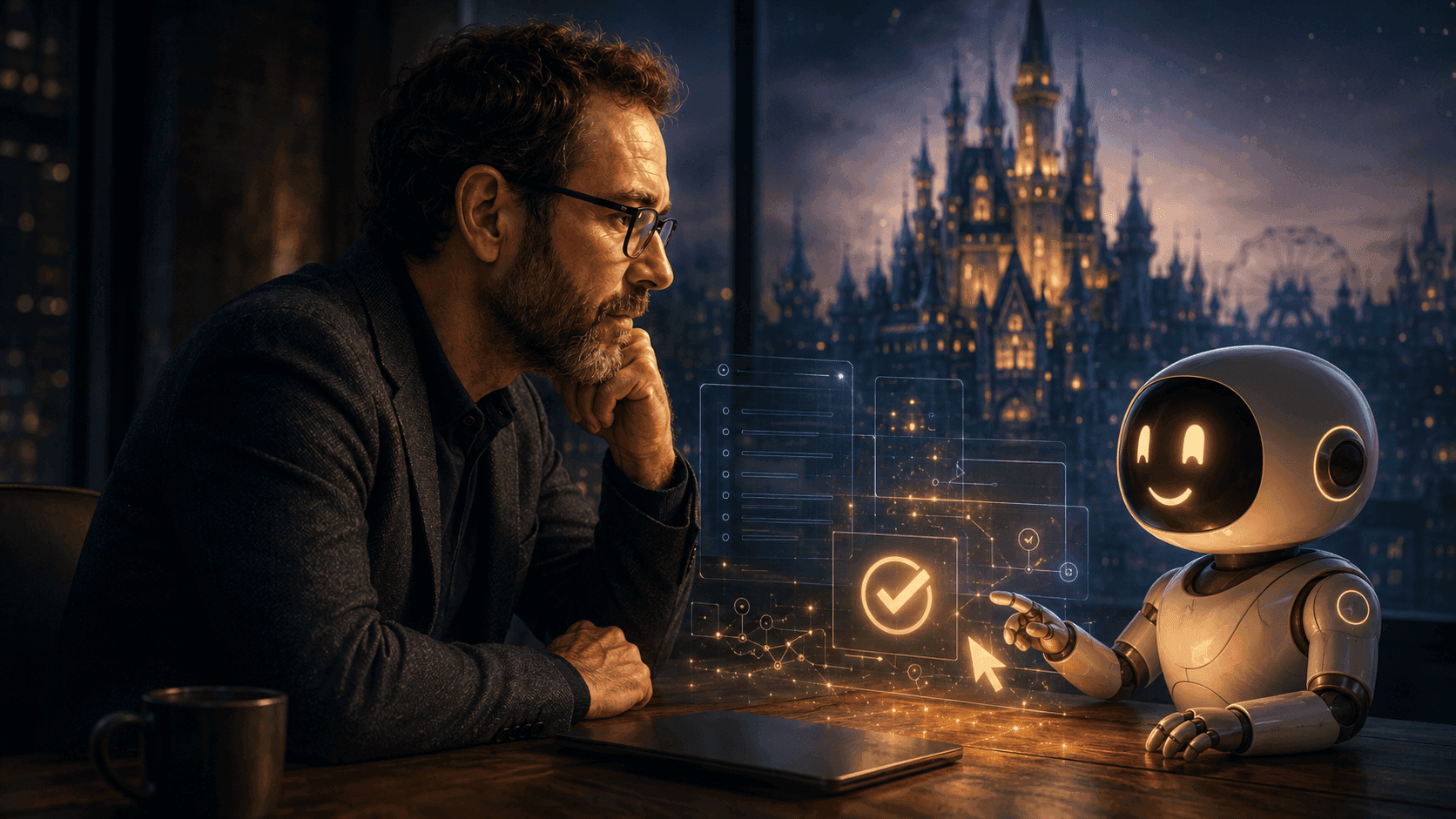 Artificial IntelligenceAttachment to an AI is not a quirk, it is a vulnerabilityAn AI director at Disney speaks to his software assistant as if to his son, and has handed it the rights to act in his place. The debate mocked the feeling and never saw the rights. Yet both vulnerabilities are dangerous, each in its own way.
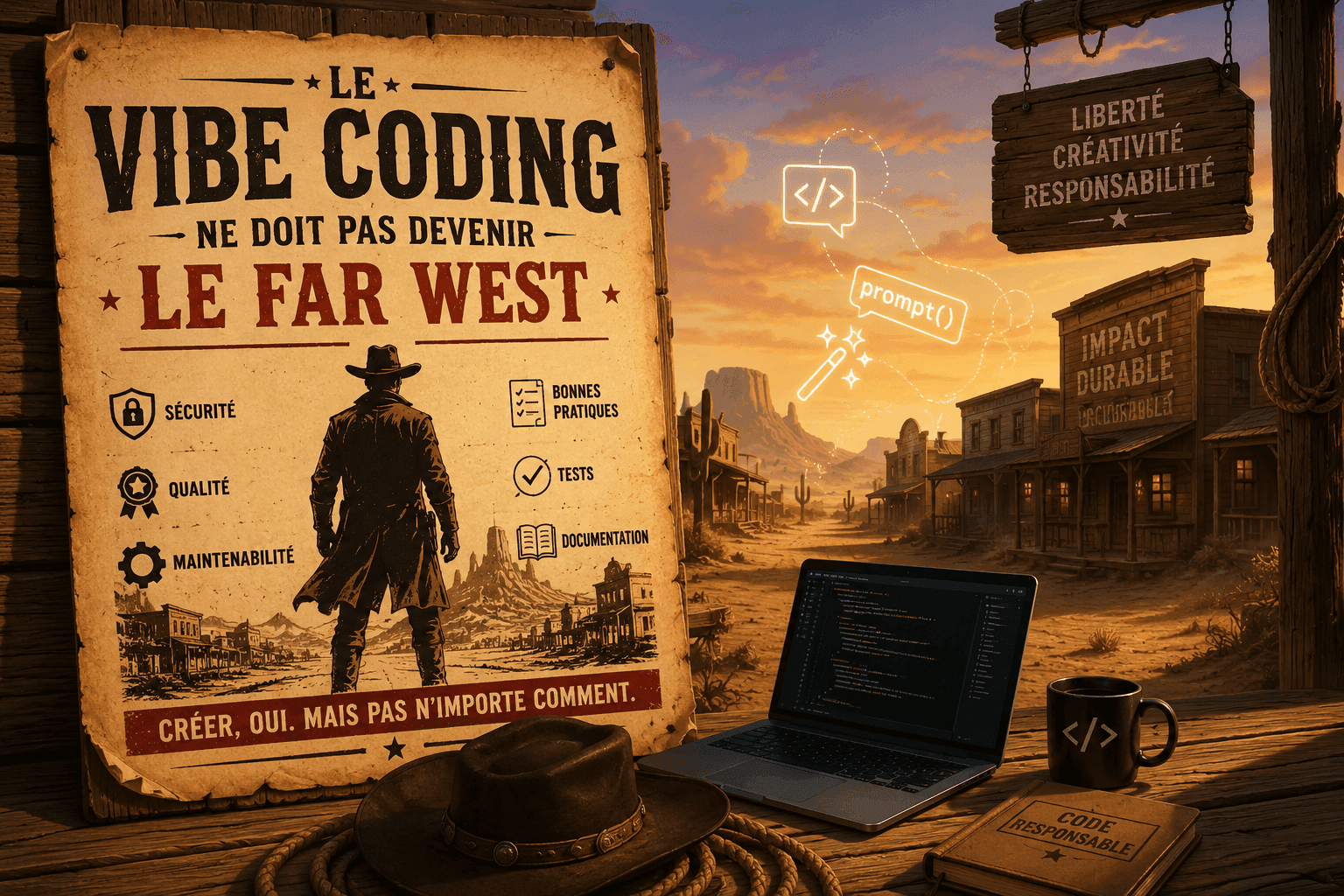 Artificial IntelligenceVibe coding must not become the Wild WestVibe coding is brilliant, but most developers overlook two things that, without their knowing it, sink projects: compliance and security. How to ship AI-based applications that actually hold up.
 CybersecurityCNIL 2025 Report, reading a regulator in transitionData processors, AI, cross-regulation, misleading record figures: what the CNIL's 2025 annual report really says about regulation in 2026.
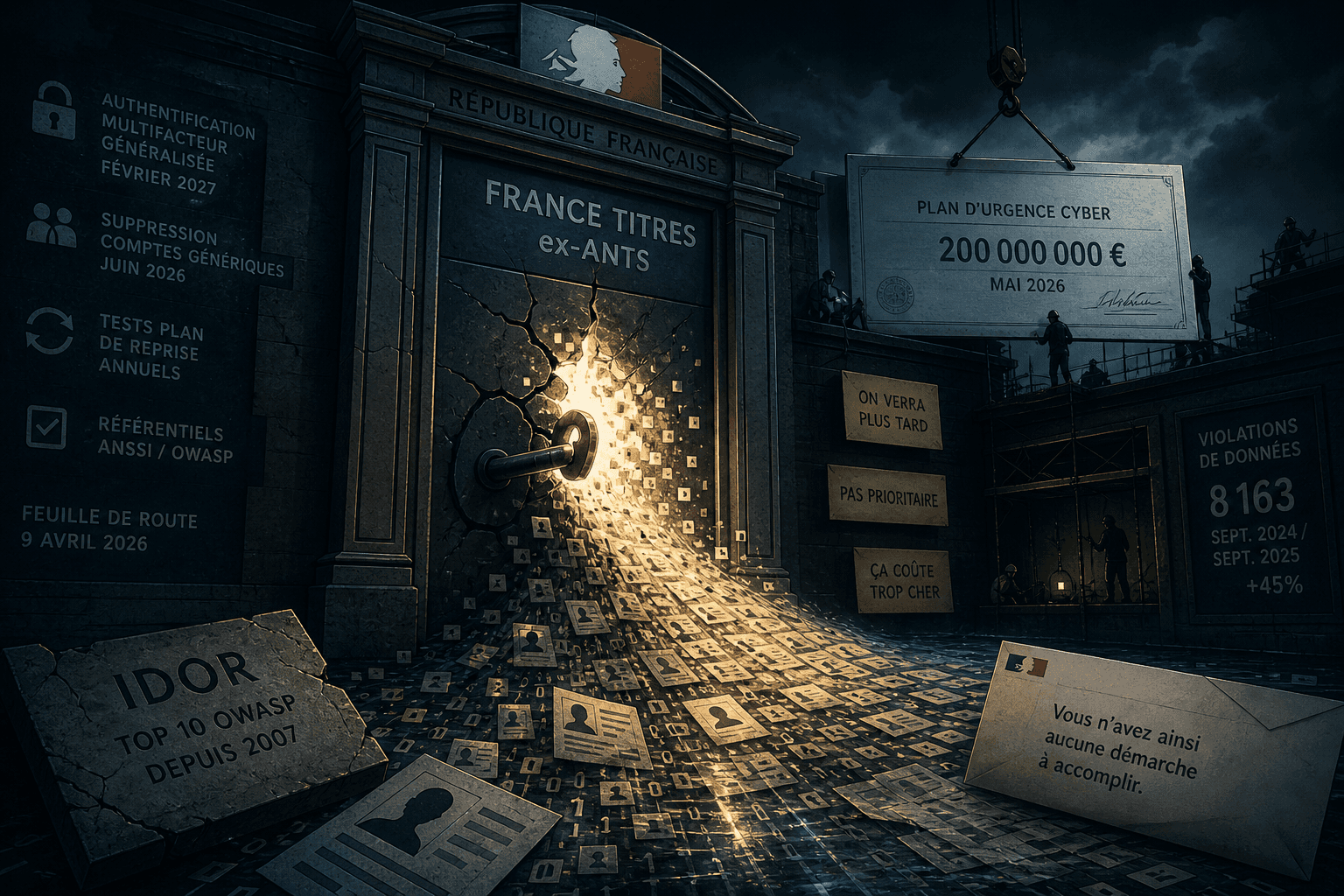 CybersecurityThe ANTS hack: the 2007 flaw, the 2026 cheque, and the gap no figure can closeLecornu calls the ANTS breach the "heist of the century." It is a student homework-assignment heist. A 2007 flaw. With 200 million euros of announcement effect on top.
 CybersecurityWhat nobody tells you when a hospital gets attacked.A French hospital takes two years to recover from a ransomware attack. 1,000 workstations, 200 applications, patient records lost forever. I lived through a ransomware attack in 2018. What makes me angry is not the attack.
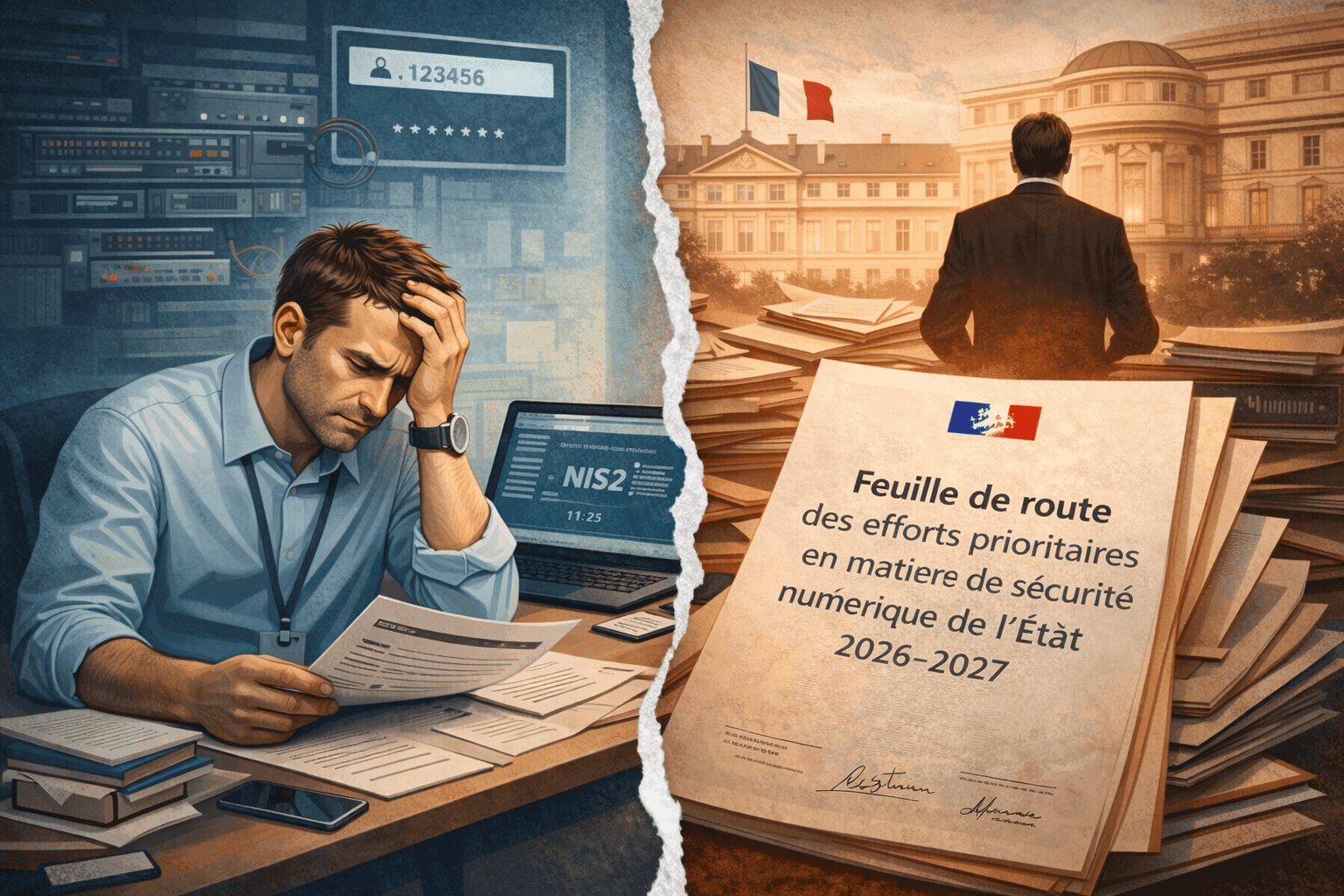 CybersecurityThe French state's cybersecurity roadmap: the document that says everything without meaning toAn official document lands on your desk. It comes from the Prime Minister. It is called "Roadmap of priority efforts for the state's digital security 2026-2027". You open it.
 CybersecurityHong Kong: when refusing to hand over your password becomes a confessionSince 23 March 2026, Hong Kong police can demand the password of any device, and refusal is a criminal offence. An extension written into the national security law, one that also targets third parties and reaches passengers simply in transit.
 SocietyThe European Commission hacked: when the regulator becomes proof of what it denounces340 GB of data exfiltrated, 30 European entities hit, DKIM keys in the wild. The European Commission that drafts NIS 2, the Cyber Resilience Act and the cybersolidarity regulation has just proven, at its own expense, that directives do not…
 SocietyReCyF, backdoors and USB sticks: France in cybersecurity, between clarity and anachronismFrance produces a cyber framework of international quality while being incapable of passing the law that makes it applicable, because the DGSI wants to read your Signal messages. And the framework itself illustrates human risk with a USB stick in 2026.
 SocietyPokémon Go, 30 billion images and delivery robots: anatomy of an invisible consentPokémon Go: 30 billion images of players are now used to train delivery robots. It was all in the terms of service. But was the consent truly informed?
 PoliticsAmazon and agentic AI: when the code slips out of human handsWhat has been unfolding at Amazon for the past few weeks goes far beyond a technical anecdote. It is a real-time case study of what happens when an organization pushes agentic AI into its critical systems without having built the guardrails that should come with it…
 CybersecurityA fake Google Meet button, and your PC no longer belongs to youGoogle Meet tells you an update is required to keep using the service. The page is clean, in Google's colors, with a clearly visible "Update now" button. You click. No file downloads.
 CybersecurityAn innocent photo can turn your phone into a silent spyA WhatsApp message arrives. A photo downloads on its own, the way it happens millions of times a day. You do not click. You do not open it. You do nothing. And yet your phone has become a spy
 CybersecurityWhen a prayer app becomes a weapon: the psychological cyberwar at the heart of the Iran-US-Israel conflictOn February 28, 2026, the United States and Israel launched massive joint strikes against Iran. Since then, daily life for millions of Iranians has come down to sirens, explosions, power cuts and a near-total internet blackout, against a backdrop…
 CybersecurityFICOBA: 1.2 million bank accounts exposed. So now what?FICOBA is the national register of bank and similar accounts. Created in 1971, it lists every account opened at French banking institutions: current accounts, savings accounts, securities accounts, rented safe-deposit boxes.
 CybersecurityNIS2 in 2026: France falls behindFebruary 2026: NIS2 was supposed to have been operational for over a year. France is still waiting for its transposition law while most of its neighbours have already acted, and waiting for the text has become the excuse. Meanwhile, the attackers follow no calendar.
 CybersecurityThe Health Data Hub: at last a step toward digital sovereigntyThe Health Data Hub (HDH) is a public platform created in 2019 to centralise, structure and make available, within a controlled framework, French health data for research, innovation and the steering of public policy that…
 CybersecurityDDoS Attacks: the "digital traffic jams" that can paralyze a country (and why it's going to get worse)A DoS / DDoS attack is exactly this: a traffic jam created on purpose, not to steal your data, but to stop you from reaching a service.
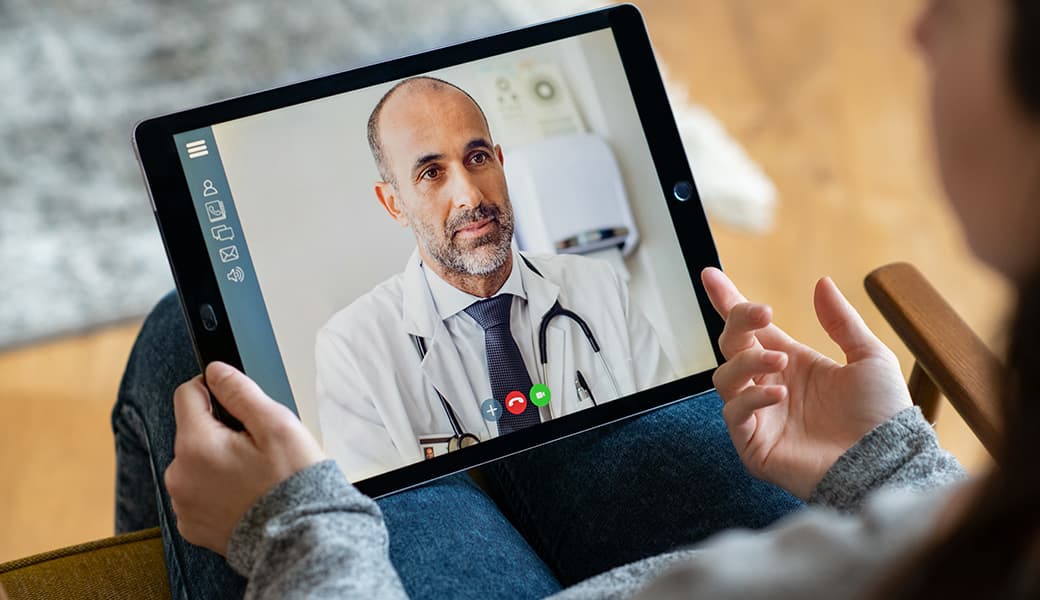 SocietyData breach at MédecinDirect: when digital health forgets what matters mostThe cyberattack that hit MédecinDirect, disclosed in early December, affects up to 323,000 patients. The number is already enormous. But that is not what should worry us the most.
 SocietyFree transport, stolen data: the scammers travel first classIt is yet another Facebook scam, but one that works far too well. For several weeks now, hundreds of French people have been falling for a tempting promise: a free or heavily discounted pass for public transport. And the catch?
 PoliticsAmine Kessaci: a cry from the heart of the northern districts, a call to collective conscienceIn the narrow streets of Frais-Vallon, where the tarmac still seems to carry the echoes of a shared childhood, I grew up just a few metres from where Amine Kessaci was born.
 CybersecurityFine for X, offensive against Telegram: Europe is waging war on digital freedomOn Friday 5 December 2025, the European Commission fined X, Elon Musk's platform, 120 million euros. On the surface: a simple slap on the wrist for failing to comply with the Digital Services Act (DSA). In reality?
 CybersecurityWhen the internet coughs, everyone catches a cold: why the Cloudflare outage concerns us allOn 18 November 2025, a single outage at Cloudflare made X, ChatGPT, Instagram, Canva and thousands of banking and retail sites wobble. Not an isolated incident: a real-time demonstration that our digital life rests on a handful of players.
 CybersecuritySpyware: when the State outsources the spying on your phonesANSSI has just published a detailed report on the threat targeting mobile phones. Vulnerabilities, "zero-click" infection chains, cybercriminals, but above all a private surveillance market that sells spying capabilities to States with little regard for civil liberties.
 CybersecurityBlack Friday, Christmas, Sales: Cybercriminals Are Waiting for YouEvery year, at the same time, the queues move to virtual carts. Promotions explode, ads flash, "must-have" deals multiply... and in the shadows, cybercriminals are rubbing their hands.
 CybersecurityGmail reads your emails to train its AI, and you probably haven't turned it offGoogle has just crossed a line. And as so often, without fanfare. For a little while now, Gmail can automatically analyse the content of your messages and attachments, not to filter spam or offer you an automatic reply, but...
 CybersecurityCybersecurity: small businesses are not ready. And it will cost them.Talk to five owners of small businesses and you get the picture: cybersecurity is still a vague, distant, almost abstract idea. As long as no ransomware freezes the screen of Chantal in accounting, everyone carries on as before.
 CybersecurityChat Control 2.0: Europe is playing with our digital freedomsIt is one small line in an obscure text. An article barely mentioned in the mainstream press. A closed-door meeting in Brussels.
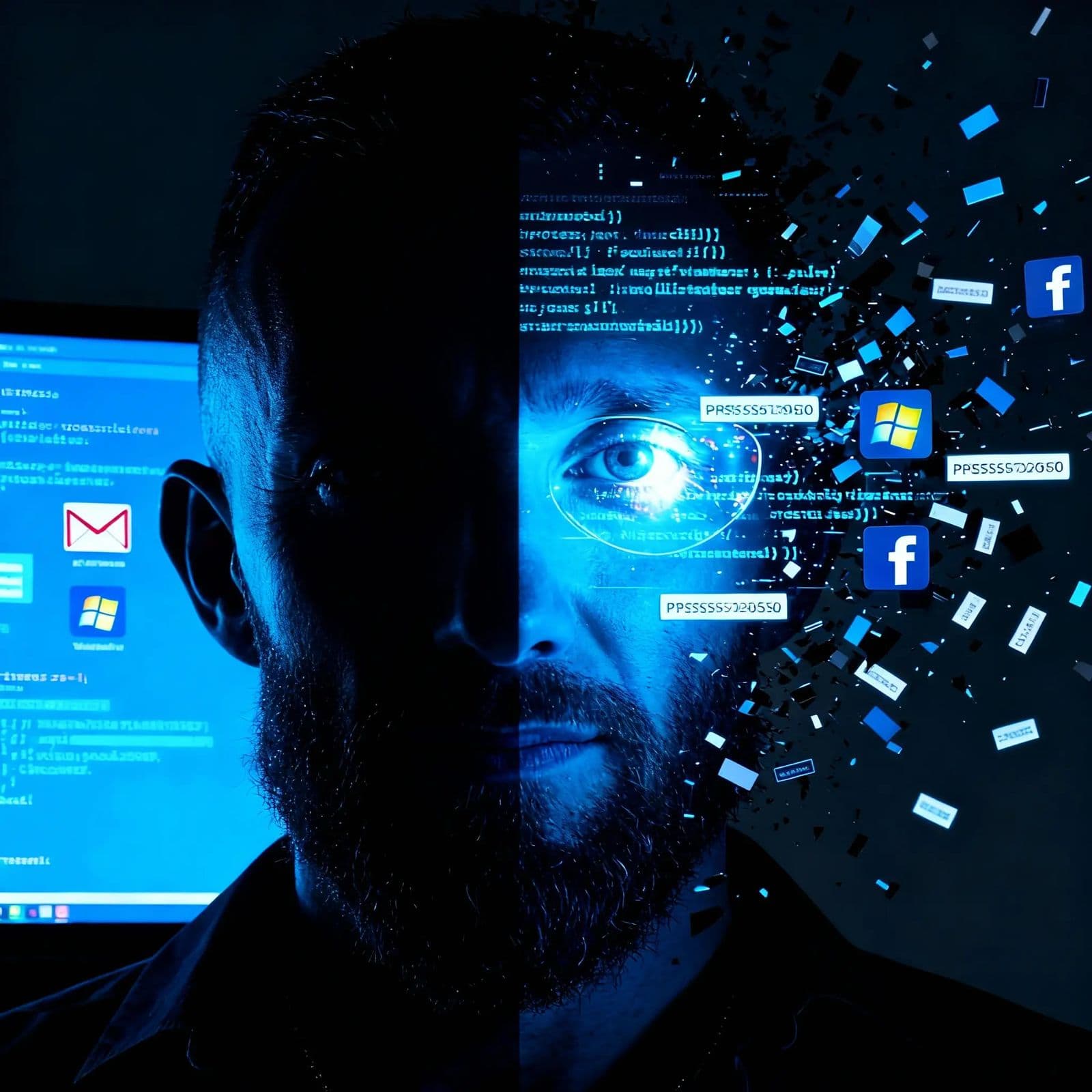 CybersecurityWhen artificial intelligence turns spyFor the first time, a mainstream artificial intelligence model was used to run a cyberespionage operation orchestrated by a state-affiliated group.
 SocietyNovember 13, 2025. Commemorate, or keep looking away?Ten years since Paris froze in horror. Ten years since French citizens were gunned down on a terrace, in a concert hall, in the streets of their own country.
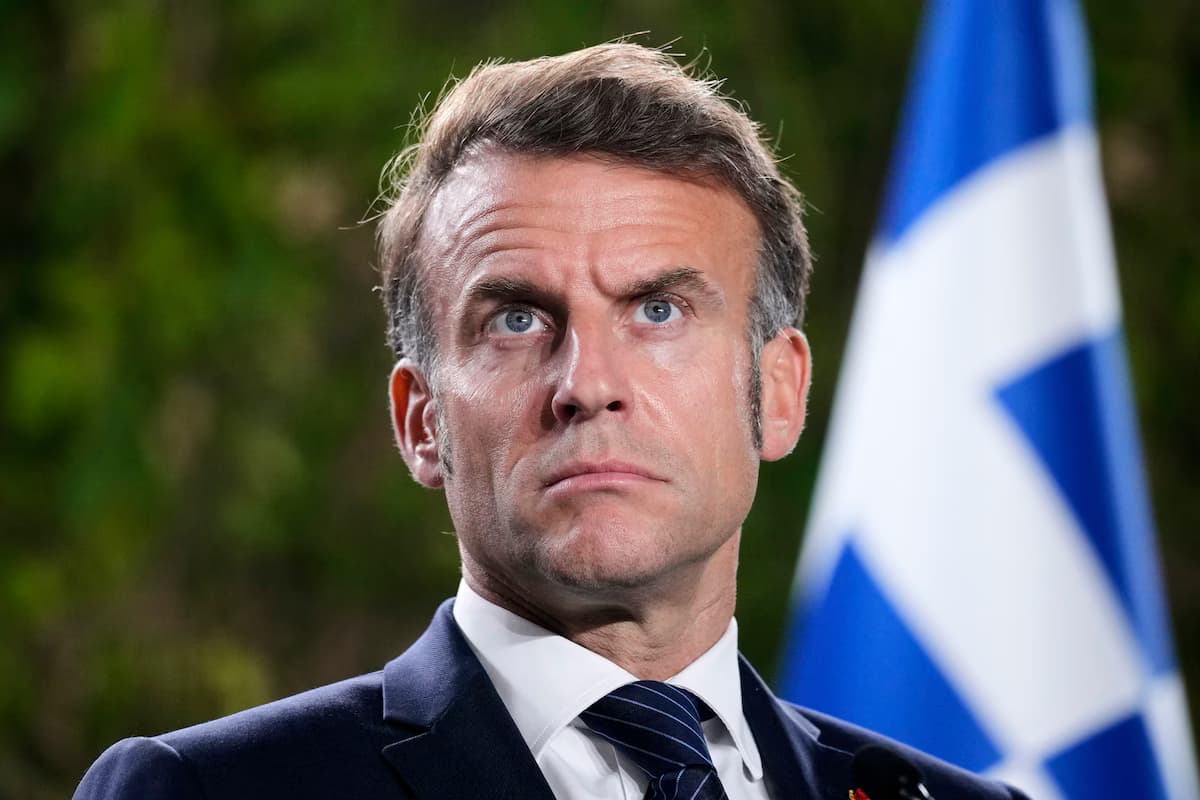 CybersecurityOpen letter to Emmanuel Macron. Cybersecurity is not a technical subject. It is a duty of the State.Mr President Macron. I am not writing to plead a cause. I am writing because it is time to stop pretending.
 PoliticsWhen Naive Environmentalism Becomes a Strategic VulnerabilityNorway has just made an explosive discovery: 850 electric buses running in Oslo can be stopped remotely by their Chinese manufacturer.
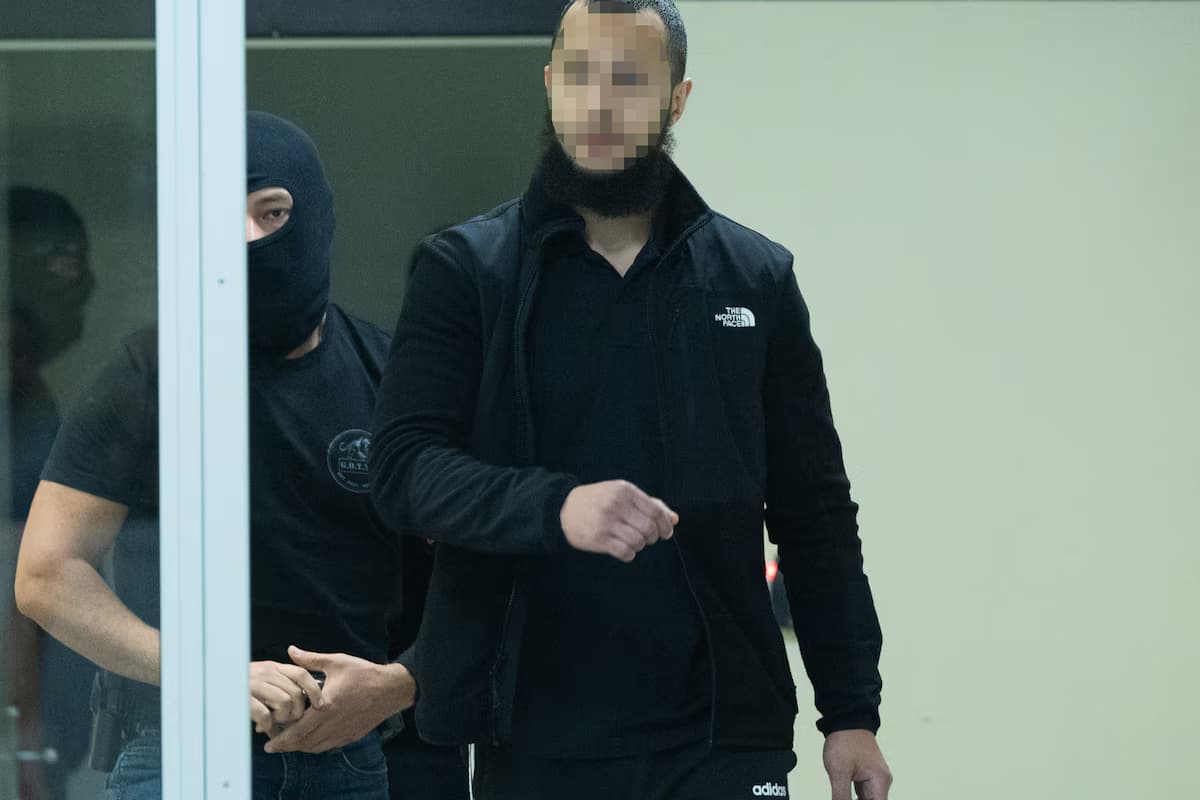 PoliticsUSB stick and state silence: digital complacency has struck againSalah Abdeslam, convicted for the November 13 attacks, was taken into police custody for illegally possessing... a USB stick in prison. Four sticks plugged into a port that should never have worked.
 EconomyAnother attack on family holding companies? How long are we going to keep flying blind?Once again, France is going after the people who build, pass things on and organise.
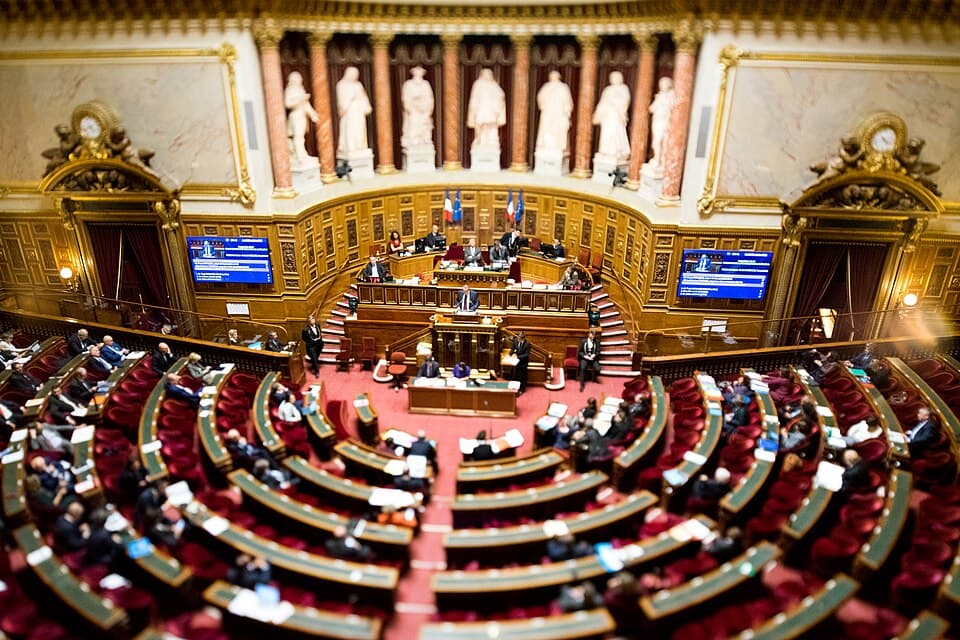 CybersecurityDigital sovereignty: at the Senate, they hold hearings. But when do they act?The Senate did what it knows how to do: hold a series of hearings on digital sovereignty. Experts, industry players, representatives of the State.
Newsletter
Don't miss the next analysis