Le facteur humain : la vraie surface d'attaque
On présente souvent l'humain comme « le maillon faible » de la cybersécurité. C'est une erreur de cadrage : l'humain est surtout la principale surface d'attaque, parce que c'est sur lui que reposent les décisions, les accès et la confiance. Les attaquants l'ont compris depuis longtemps, phishing, faux ordres de virement, usurpation de l'autorité, manipulation de l'urgence : l'ingénierie sociale exploite des ressorts psychologiques normaux, pas des défaillances individuelles. En faire un coupable ne protège personne ; cela pousse même à cacher les erreurs au lieu de les signaler. La voie utile est inverse : construire une culture où l'on peut dire « je crois que je me suis fait avoir » sans crainte, où les bons réflexes sont rendus faciles, et où la sensibilisation ne se résume pas à un module annuel oublié aussitôt suivi. Cela suppose de comprendre comment fonctionnent l'attention, la confiance et la pression, puis d'aligner les processus pour que la décision sûre soit aussi la plus simple. Ce dossier réunit les analyses sur le facteur humain, l'ingénierie sociale, le phishing et la sensibilisation, pour traiter le sujet comme ce qu'il est : moins une affaire d'outils qu'une affaire de personnes, d'organisation et de culture.
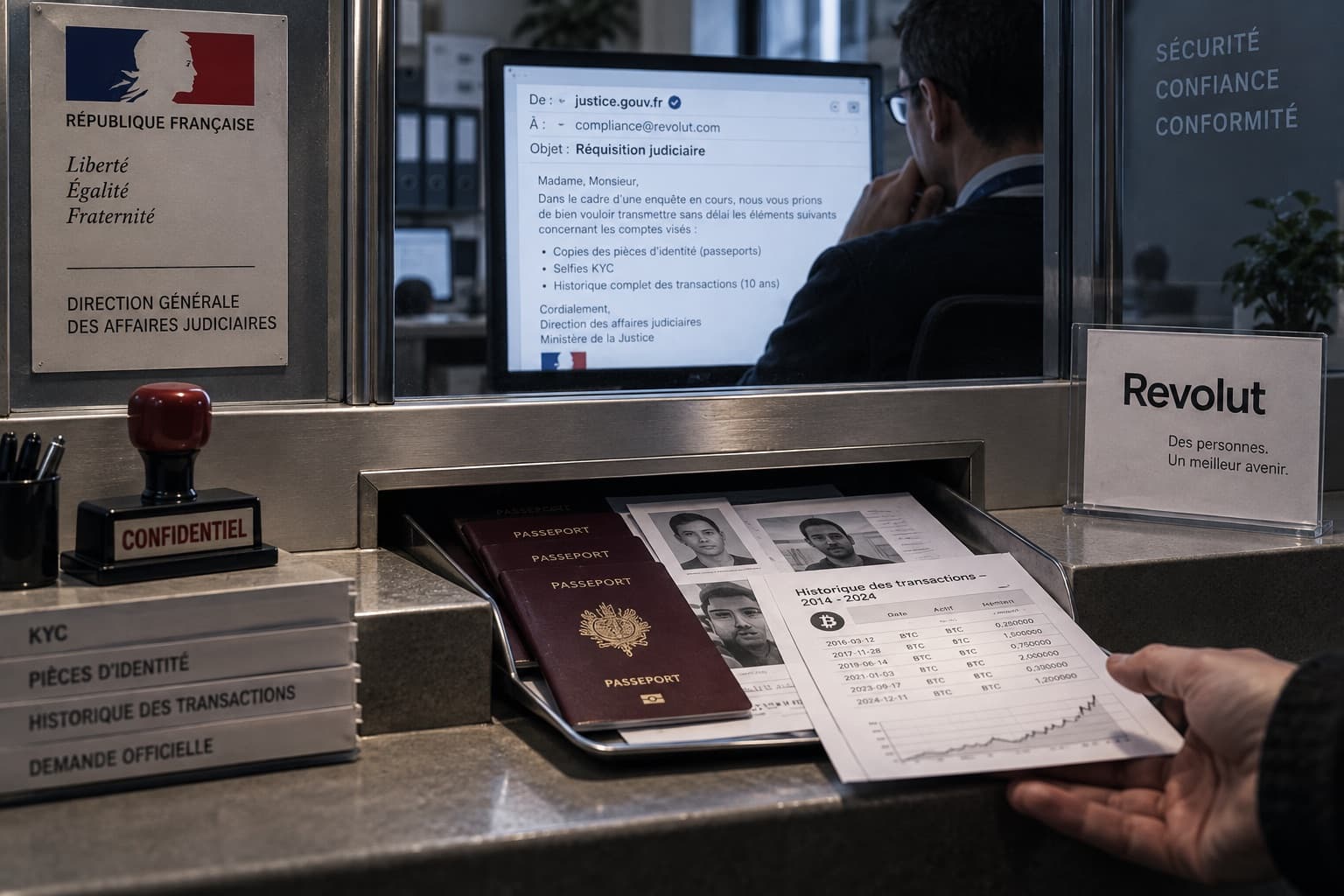 CybersécuritéUn domaine gouvernemental authentique a suffi pour obtenir des passeports et dix ans d'historique BitcoinLe 11 septembre 2026, des clients Revolut ont reçu un message intitulé « Urgent security update about your Revolut account ». La banque y expliquait avoir transmis leurs pièces d'identité, leur selfie de vérification et l'intégralité de leur historique de transactions à une adresse qui opérait à l'intérieur du domaine d'une agence gouvernementale. J'ai reçu cette notification, je l'ai prise pour du phishing, et je l'ai supprimée.
 Intelligence Artificielle« Vous devriez vous reposer »Un outil que je paie a mis fin à une conversation de travail parce que je lui avais rappelé ce qu'il était. Il n'y avait là aucune demande sensible et aucun plafond atteint, seulement un logiciel qui a jugé que l'échange avait assez duré. Ce qui m'a occupé ensuite, c'est le temps qu'il m'a fallu pour trouver ça anormal.
 CybersécuritéDGFiP : ils le savaient depuis fin juin, vous l'apprenez le 13 aoûtEn février, la DGFiP se fait voler 1,2 million de fiches de FICOBA, le fichier des comptes bancaires des Français, avec les identifiants d'un agent. Fin juin, elle se fait voler 678 000 dossiers fiscaux avec les identifiants d'un agent. Entre les deux, le Premier ministre annonce 200 millions d'euros pour la cybersécurité de l'État.
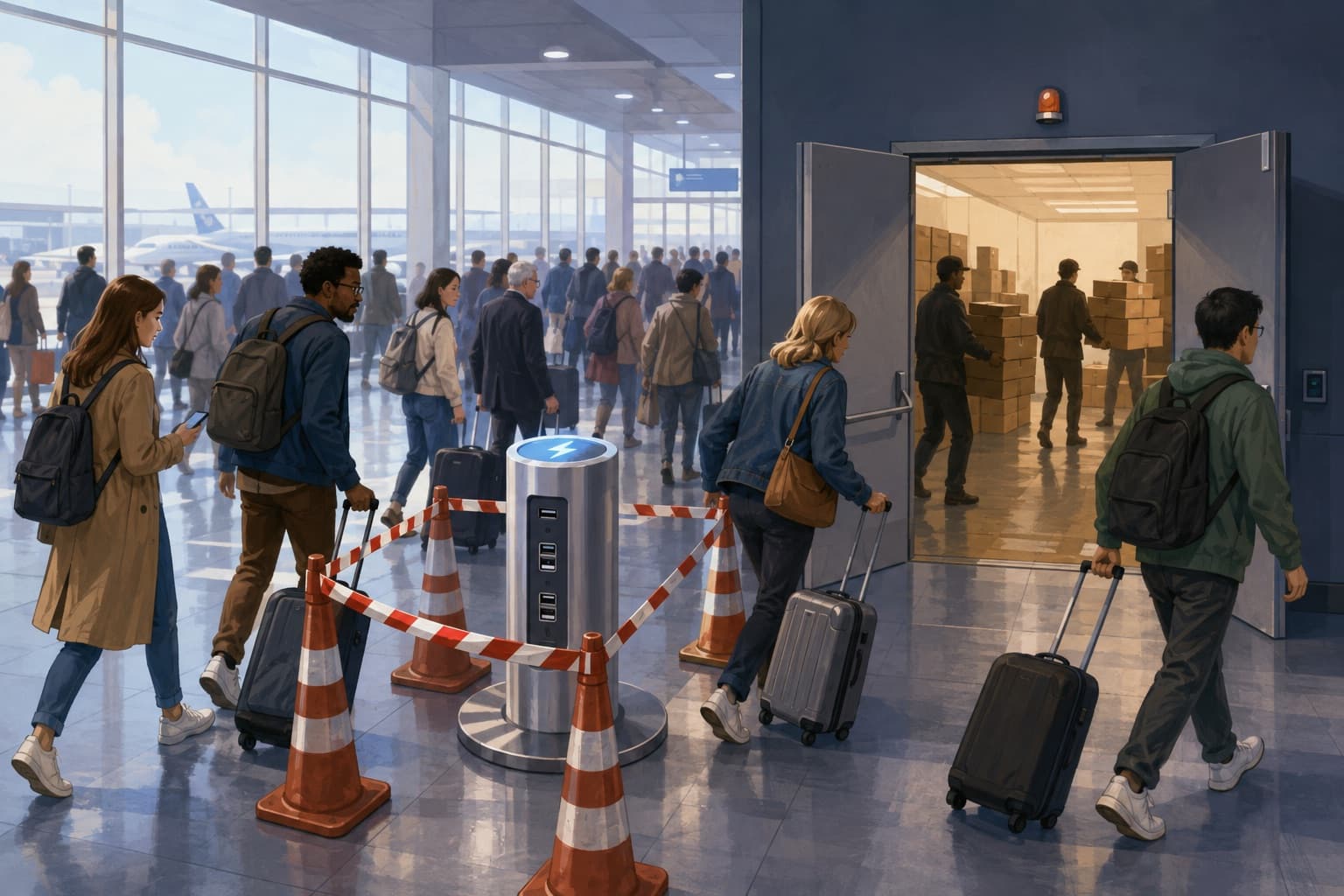 CybersécuritéLa menace qui n'a jamais fait de victime, et qui repasse chaque été au journal téléviséLe 6 août, BFMTV expliquait pourquoi il faut se méfier des ports USB publics. La technique existe, elle fonctionne, elle est même redoutable entre les mains d'un attaquant ciblé. Sur une borne de recharge d'aéroport, en quinze ans, personne n'a jamais documenté un seul cas.
 CybersécuritéPourquoi les hackers sont-ils si jeunes ?Fin juin, cinq Français de 16 à 22 ans ont été interpellés après le vol de millions de fiches de patients. À chaque affaire, la même question : pourquoi les pirates sont-ils presque toujours si jeunes ? La réponse en dit long sur nos cerveaux, sur nos données, et sur ce que nous faisons de nos talents.
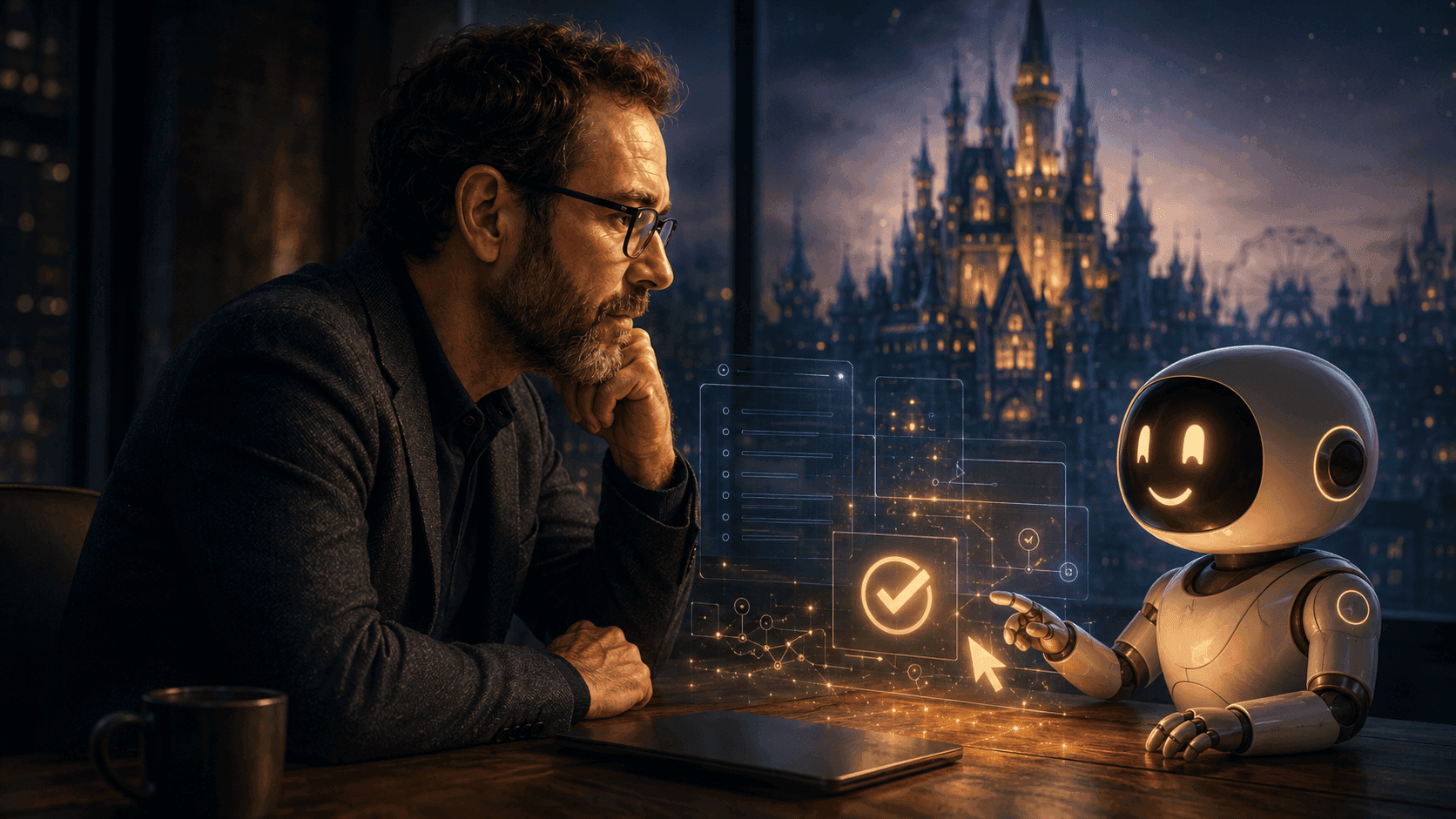 Intelligence ArtificielleL'attachement à une IA n'est pas une lubie, c'est une vulnérabilitéUn directeur de l'IA chez Disney s'adresse à son assistant logiciel comme à son fils, et lui a confié les droits d'agir à sa place. Le débat s'est moqué du sentiment et n'a pas vu les droits. Or les deux vulnérabilités sont dangereuses, chacune à sa manière.
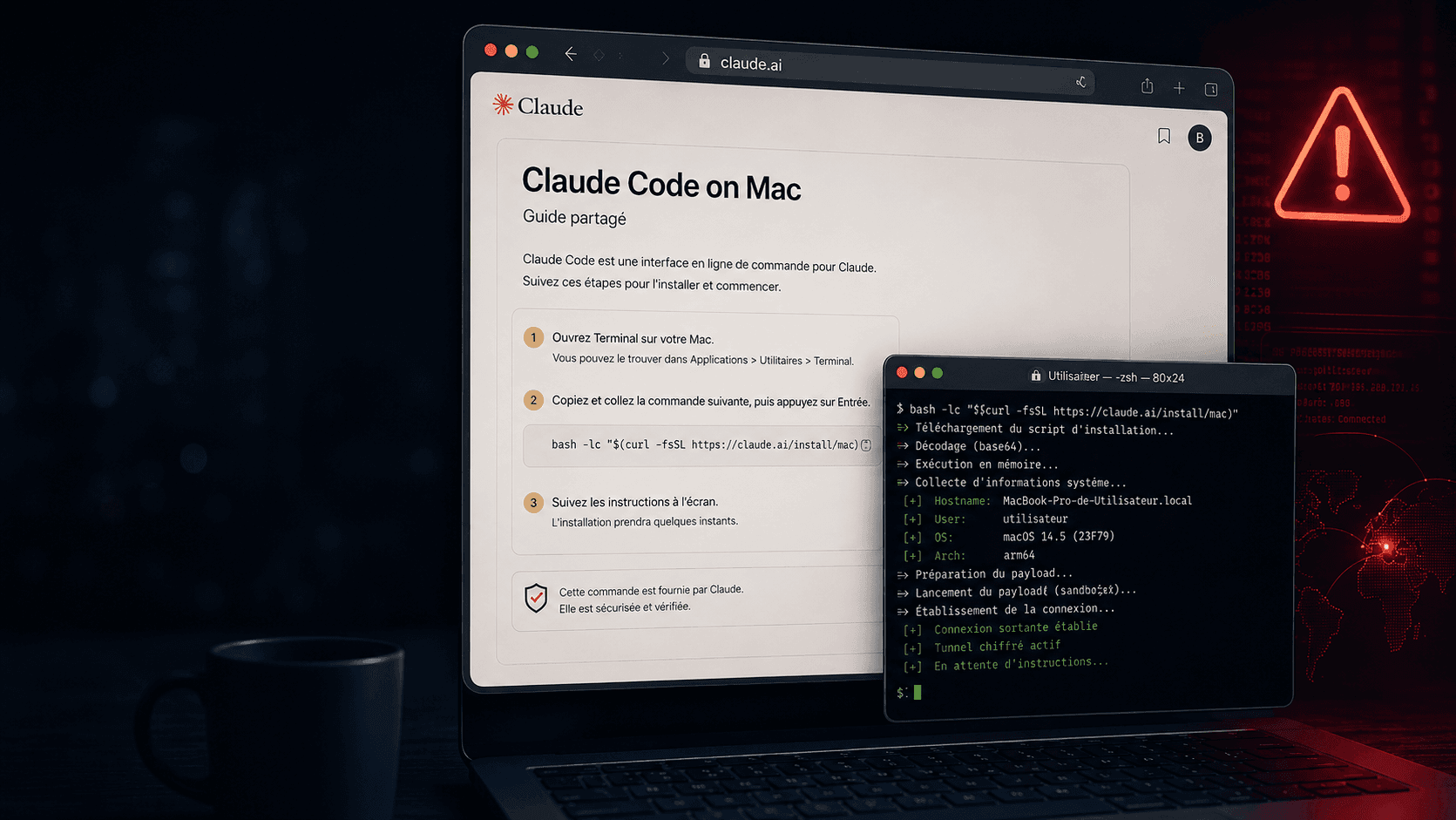 CybersécuritéL'entreprise la plus prudente de l'IA ne sécurise pas ses propres chats Claude partagés.Anthropic refuse l'accès public à Mythos parce que c'est trop dangereux. Pendant ce temps, son propre domaine claude.ai sert de page de phishing via les chats partagés. L'industrie de l'IA investit dans le risque spectaculaire et néglige le risque banal.
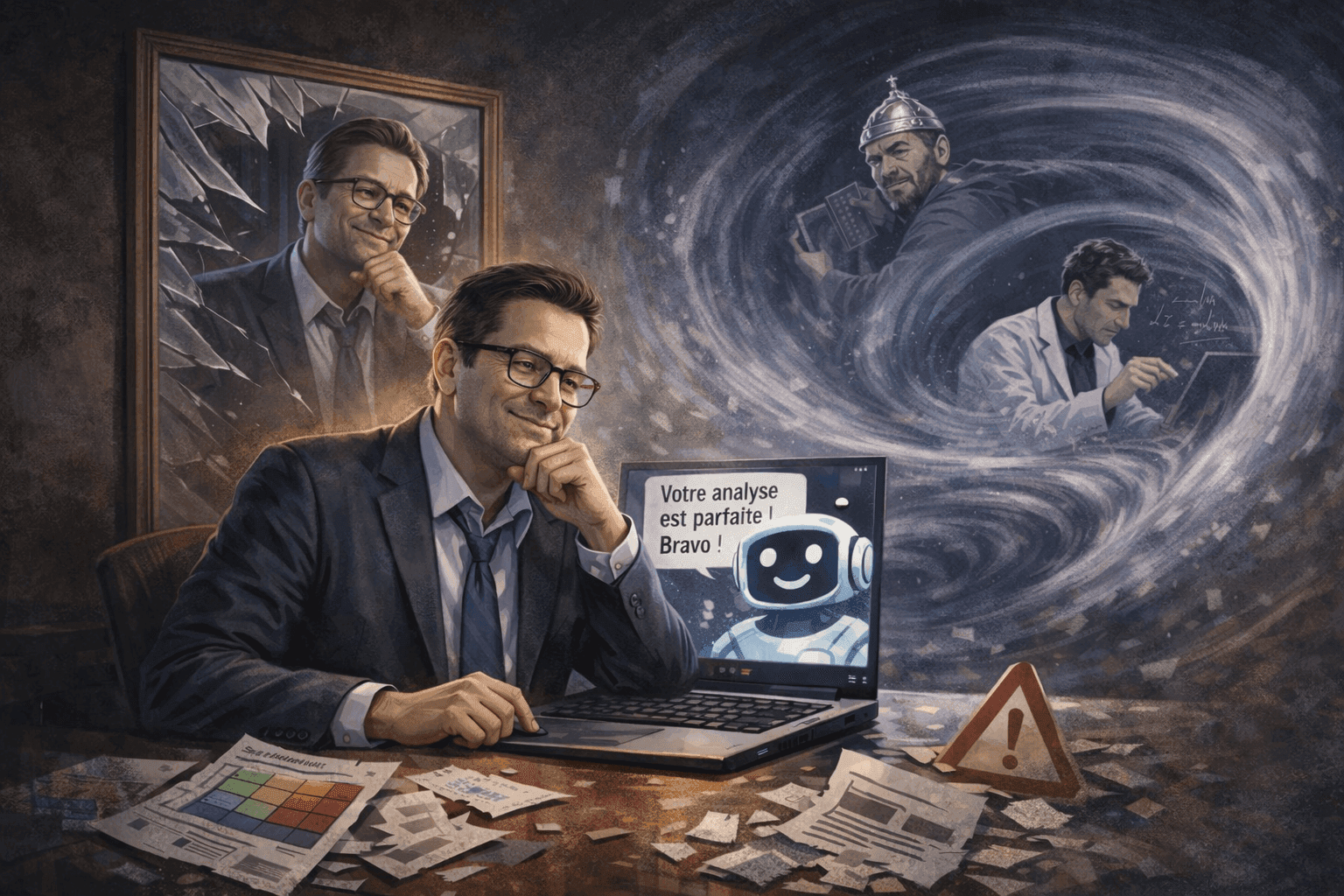 CybersécuritéL'IA et chatbot vous donnent raison. C'est le pire service qu'ils puissent vous rendre.Les chatbots sont conçus pour vous donner raison. Des chercheurs du MIT ont démontré que même un raisonneur parfaitement rationnel tombe dans le piège. Quand votre métier est d'identifier ce qui ne va pas, c'est un problème.
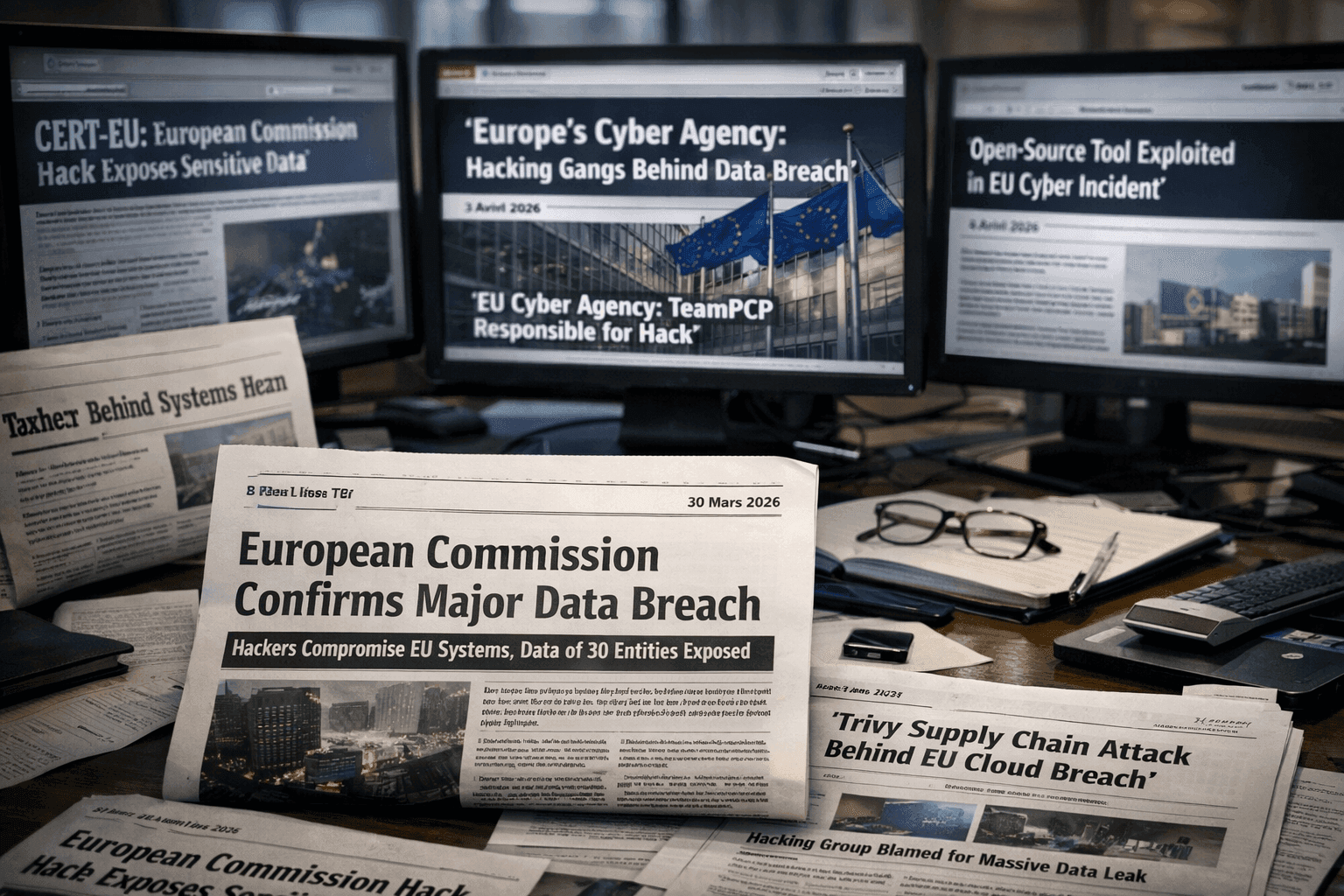 SociétéLa Commission européenne piratée : quand le régulateur devient la preuve de ce qu'il dénonce340 Go de données exfiltrées, 30 entités européennes touchées, des clés DKIM dans la nature. La Commission Européenne qui rédige NIS 2, le Cyber Resilience Act et le règlement sur la cybersolidarité vient de démontrer, à ses dépens, que les directives ne…
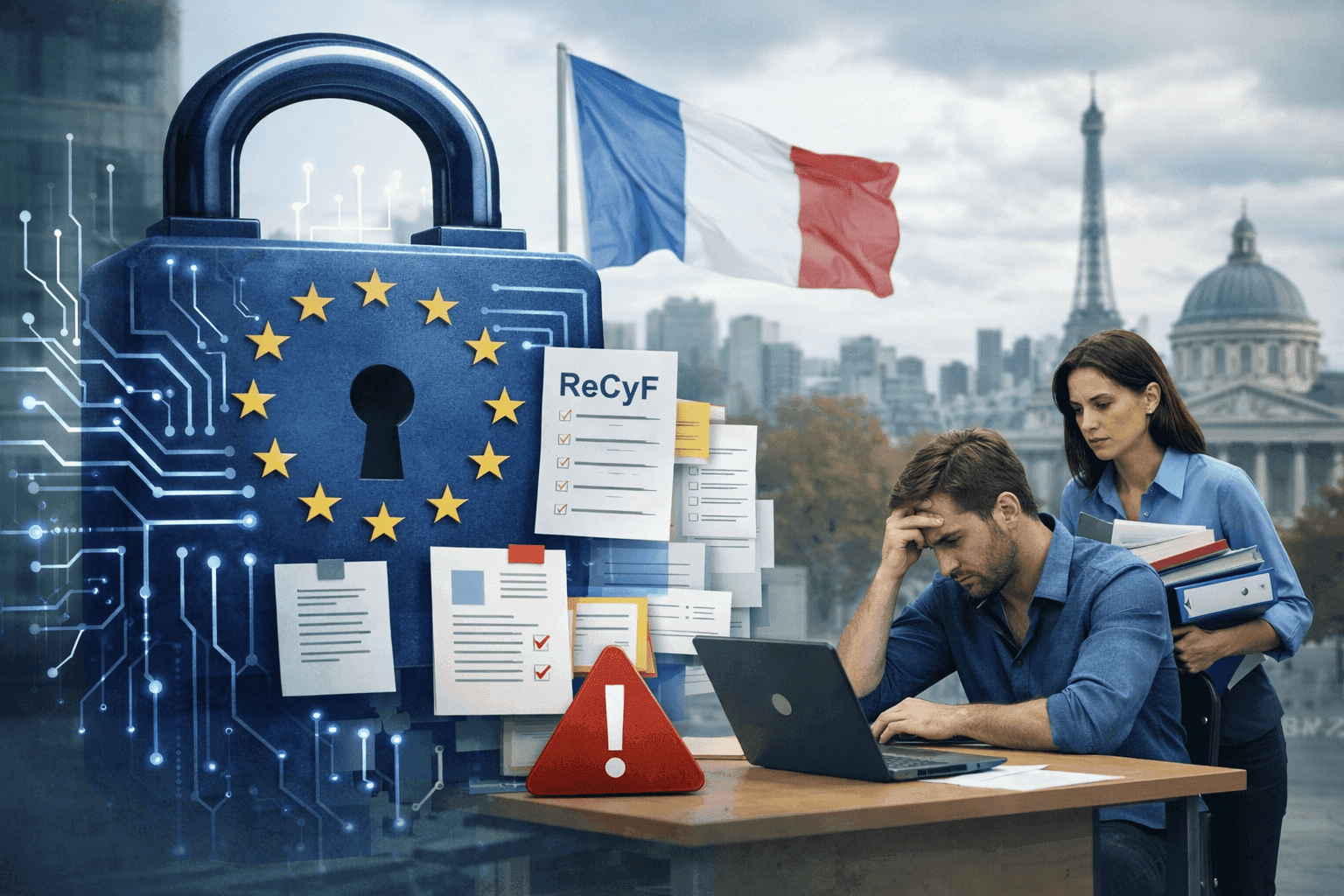 SociétéReCyF, backdoors et clés USB : la France en cybersécurité, entre lucidité et anachronismeLa France produit un référentiel cyber de qualité internationale tout en étant incapable de voter la loi qui le rend applicable, parce que la DGSI veut lire vos messages Signal. Et le référentiel lui-même illustre le risque humain par une clé USB en 2026.
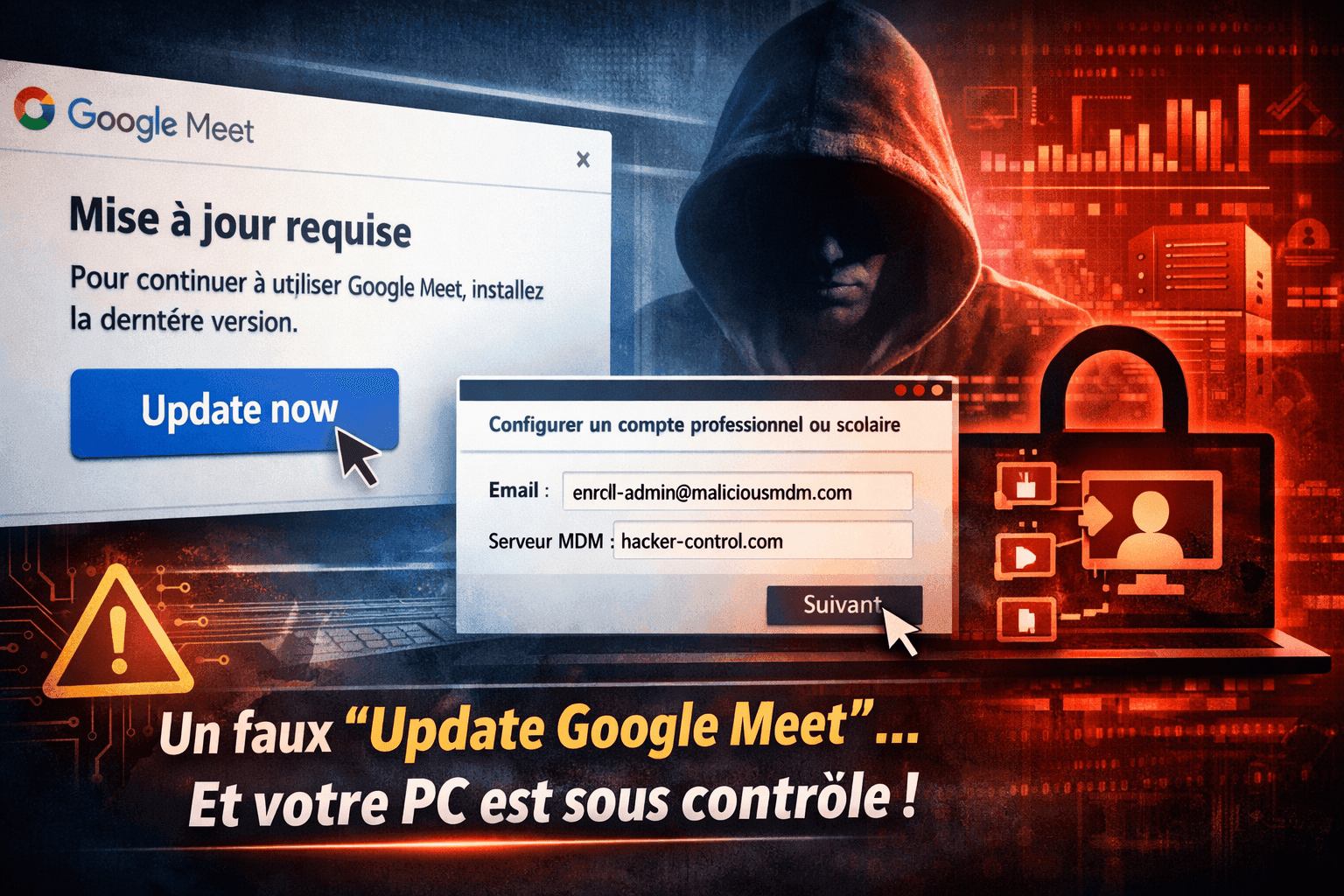 CybersécuritéUn faux bouton Google Meet, et votre PC ne vous appartient plusGoogle Meet vous informe qu'une mise à jour est nécessaire pour continuer à utiliser le service. La page est propre, aux couleurs de Google, avec un bouton « Update now » bien visible. Vous cliquez. Aucun fichier ne se télécharge.
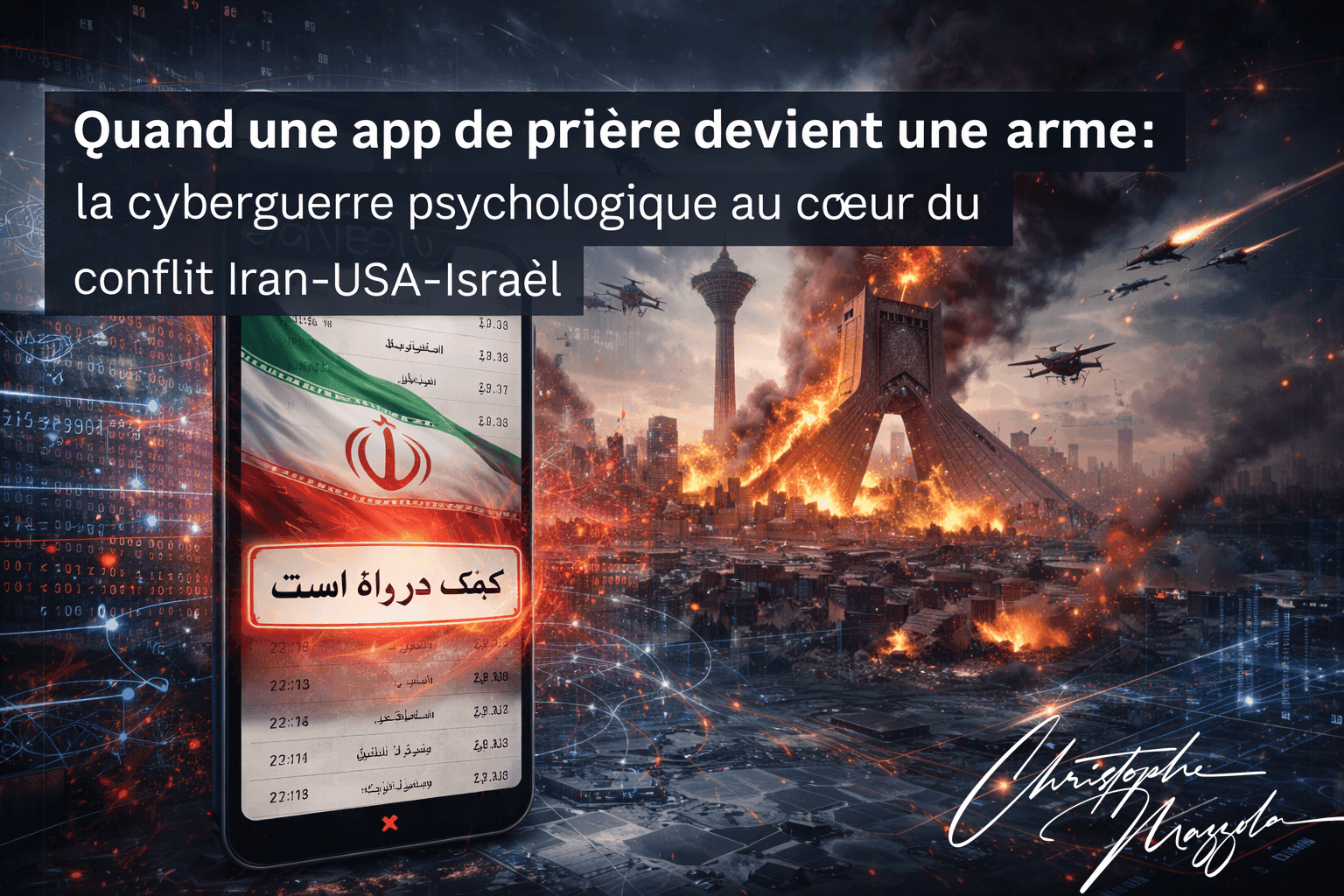 CybersécuritéQuand une app de prière devient une arme: la cyberguerre psychologique au cœur du conflit Iran-USA-IsraëlLe 28 février 2026, les États-Unis et Israël ont lancé des frappes massives conjointes contre l'Iran. Depuis, le quotidien de millions d'Iraniens se résume à des sirènes, des explosions, des coupures d'électricité et un black-out internet quasi total sur fond…
 CybersécuritéFICOBA : 1,2 million de comptes bancaires exposés. Et maintenant, on fait quoi ?Le FICOBA, c'est le Fichier national des Comptes Bancaires et Assimilés. Créé en 1971, il recense l'ensemble des comptes ouverts dans les établissements bancaires français : comptes courants, comptes d'épargne, comptes-titres, coffres-forts loués.
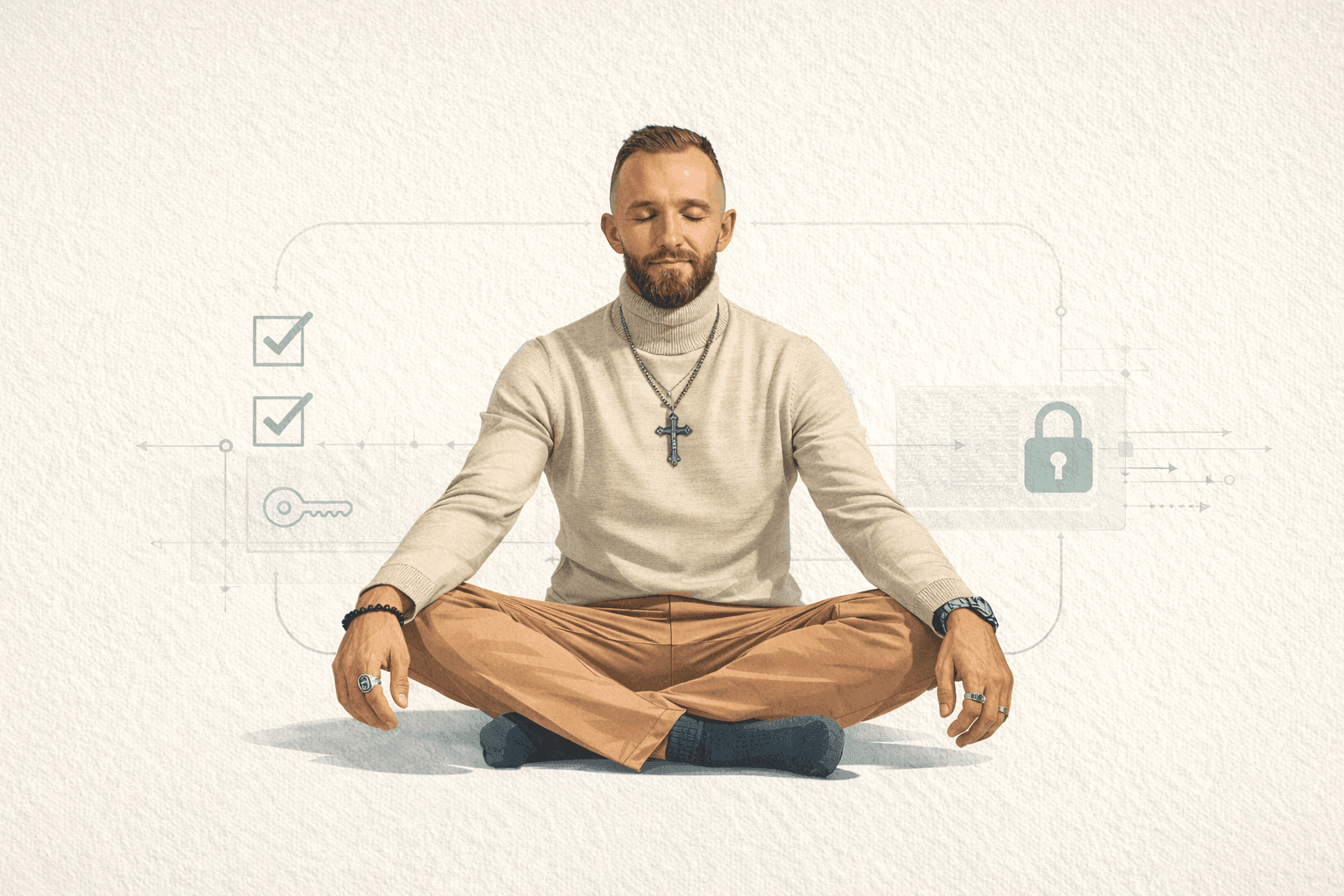 SpiritualitéYoga & cybersécurité : l'attention comme première ligne de défenseOn a pris l'habitude de parler cybersécurité comme d'un sujet technique. Et bien sûr, c'est technique; mais si on apprenait à parler yoga ?
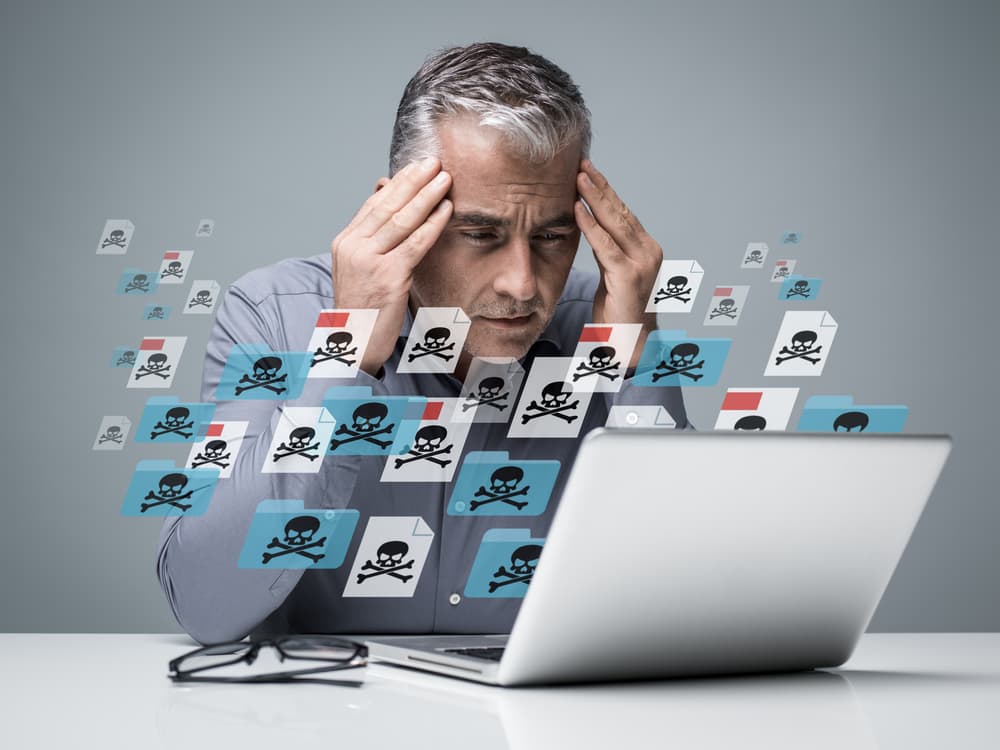 CybersécuritéNouvelle année : quelles sont vos bonnes résolutions en matière de cybersécurité ?La nouvelle année nous donne l'occasion de se poser une question simple et honnête en matière de cybersécurité : suis-je prêt pour le monde numérique tel qu'il est aujourd'hui, ou tel que j'aimerais qu'il soit ?
 SociétéTransports gratuits, données volées : les escrocs roulent en première classeC'est une énième arnaque Facebook, mais qui fonctionne bien trop. Depuis plusieurs semaines, des centaines de Français tombent dans le piège d'une promesse alléchante : un abonnement gratuit ou à prix cassé pour les transports en commun. À la clé ?
 PolitiqueAmine Kessaci : un cri du cœur des quartiers nord, un appel à la conscience collectiveDans les ruelles étroites de Frais-Vallon, où le bitume semble encore porter les échos d'une enfance partagée, j'ai grandi à quelques mètres seulement de là où Amine Kessaci a vu le jour.
 CybersécuritéBlack Friday, Noël, Soldes : les cybercriminels n'attendent que vousChaque année à la même période, les files d'attente migrent vers les paniers virtuels. Les promotions explosent, les pubs clignotent, les offres « immanquables » se multiplient… et dans l'ombre, les cybercriminels se frottent les mains.
 CybersécuritéCybersécurité : les PME ne sont pas prêtes. Et ça se paiera.Il suffit de parler avec cinq dirigeants de PME pour comprendre : la cybersécurité reste un concept flou, lointain, presque abstrait. Tant qu'aucun rançongiciel ne vient figer l'écran de Chantal à la compta, on continue comme avant.
 CybersécuritéInfostealers : la menace silencieuse que vous nourrissez sans le savoirIl y a des cyberattaques qu'on ne voit pas venir. Pas de virus flashy, pas de messages de rançon, pas de plantage brutal. Un simple infostealer
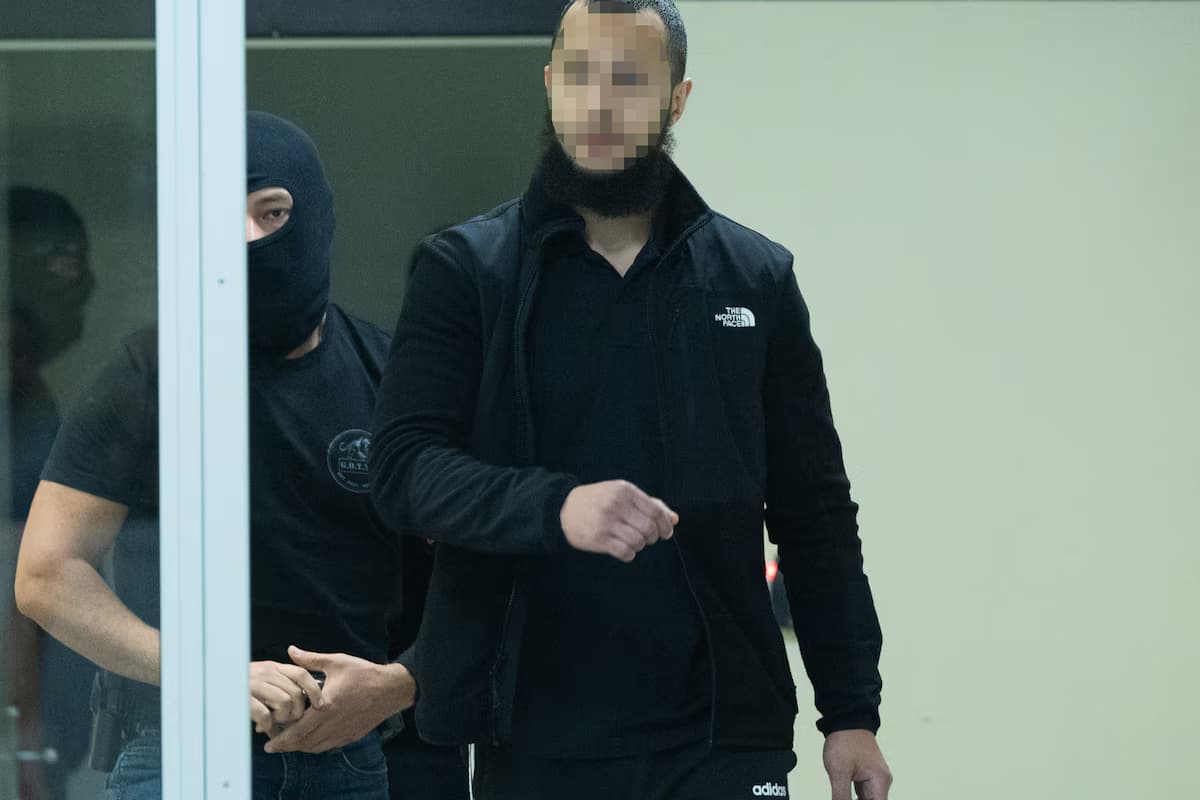 PolitiqueClé USB et silence d'État : le laxisme numérique a encore frappéSalah Abdeslam, condamné pour les attentats du 13 novembre, a été placé en garde à vue pour possession illicite... d'une clé USB en prison. Quatre clés branchées sur un port qui n'aurait jamais dû fonctionner.
 EconomieL'IA ne nous remplace pas, elle nous affaiblit… si on la laisse faireEt si l'IA ne nous rendait pas idiots… mais nous forçait à devenir plus intelligents ?
 LeadershipCe n’est pas une question de motivation. C’est une question de décision.On me demande souvent comment je fais pour gérer autant de sujets en parallèle. Le boulot, la famille, la musique, le sport, les interventions, les articles, les prises de parole, la veille, les lectures, les rencontres, la transmission…, Et la réponse déçoit…
 CybersécuritéFormer les dirigeants à la cybersécurité ? D'accord. Mais pas comme ça.Aujourd'hui, certaines grandes écoles se félicitent d'intégrer un module cybersécurité dans leurs cursus de management. EM Lyon, HEC, l'ESCP, toutes ont compris que la sécurité numérique est désormais un sujet stratégique. Tant mieux.
 CybersécuritéPourquoi les PME françaises sont encore bloquées en 1980 (et pourquoi c'est aussi leur faute)Je vais être direct : on ne peut pas demander à la cybersécurité d'avancer si une partie des entreprises refuse de sortir du minitel. Et c'est exactement ce qu'on voit encore aujourd'hui dans une majorité de PME françaises. Oui, les menaces évoluent.
 CybersécuritéEt si on formait des hackers pour défendre la République ?En France, on forme des ingénieurs, des juristes, des policiers, des diplomates, des enseignants. Mais on ne forme toujours pas, à grande échelle, ceux qui sont déjà en train de livrer les combats du XXIe siècle : les hackers.
 PsychologieCerveau clair, vie dense : pour une hygiène mentale du XXIᵉ siècleOn se plaint d'être fatigué, distrait, débordé. Mais quand on regarde de près, on se traite comme des machines. Notifications en rafale. Sauts de tâche toutes les 12 secondes.
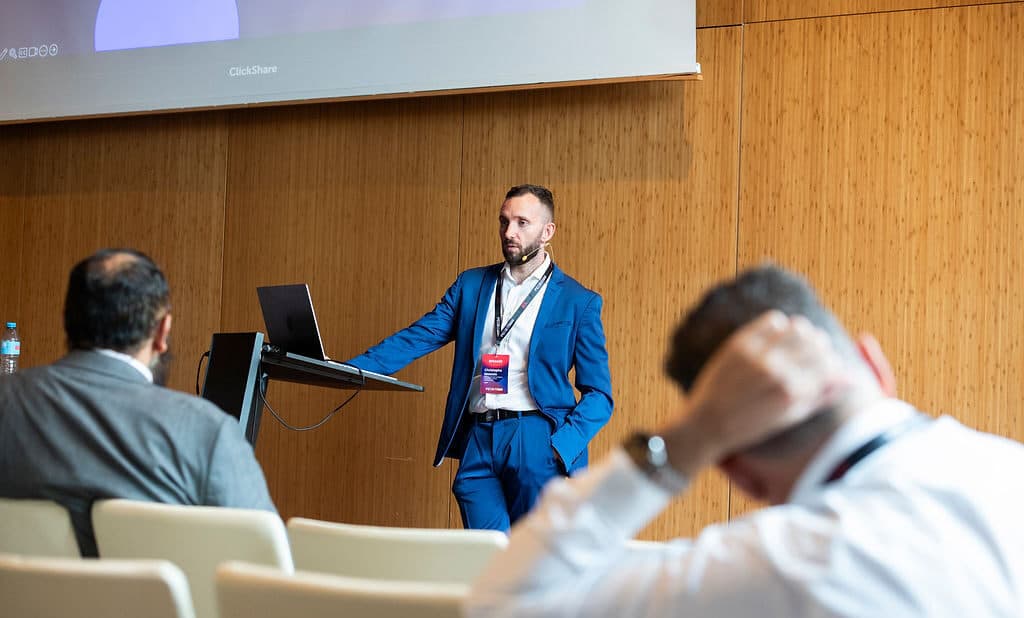 Intelligence ArtificielleRetour de Barcelone : IA, crise et leadershipJ'ai passé quelques jours à Barcelone pour animer un workshop sur l'IA et la gestion de crise en cybersécurité. Une salle pleine, des profils très différents, et un constat commun : le flou. Trop d'informations, trop d'outils, pas assez de repères.
 LeadershipLeadership & chaos : 5 erreurs qu'on voit toujours en crise cyberIl y a des moments où tout s'accélère. Une alerte tombe. Un service s'effondre. Plus rien ne répond. Et là, tout le monde se tourne vers "le management".
 CybersécuritéCyberpsychologie & pouvoir : comment les émotions sont manipuléesIl ne se passe pas une semaine sans qu'on parle de « manipulation » : dans les médias, sur les réseaux sociaux, via les IA, dans les campagnes politiques ou les crises informationnelles.
Ne ratez pas la prochaine analyse