Protecting yourself day to day (individuals and families)
Cybersecurity is not just for companies: day to day, everyone manages accounts, passwords, a phone and data that is worth money to scammers. The good news is that a handful of simple reflexes covers most of the risk, without technical expertise. The first is to stop reusing your passwords: a password manager and turning on two-factor authentication on important accounts (email, bank, social media) block the vast majority of common hacks. The second is learning to recognise phishing: a message that rushes you, scares you or promises too much, and invites you to click or pay, always deserves a check through another channel. The phone, now the key to our digital life, needs the same care: updates, trusted apps, locking. Finally, protecting your privacy means limiting what you expose and keeping a hand on your data. This guide brings together clear analyses on passwords and two-factor authentication, phishing, mobile and privacy, to protect you and your loved ones, without falling into paranoia.
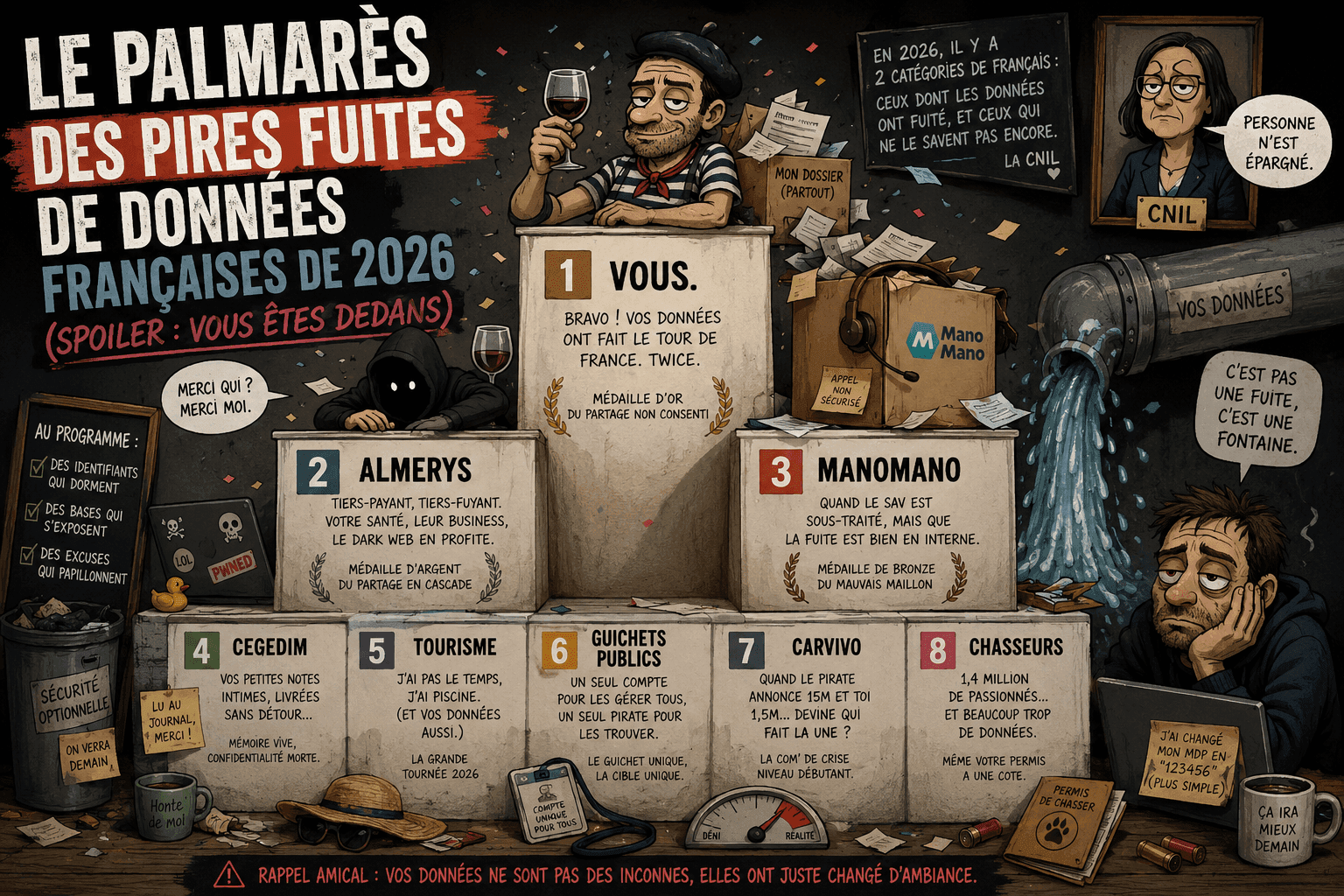 CybersecurityFrance's worst data breaches of 2026: the ranking (spoiler: you're in it)6,167 data breaches in 2025, a record, and 2026 is already doing better. From the Almerys brother-in-law nobody ever introduced you to, to the teenager who cracked open the ANTS vault by changing one digit in a URL, here is the ranking of France's worst breaches of the…
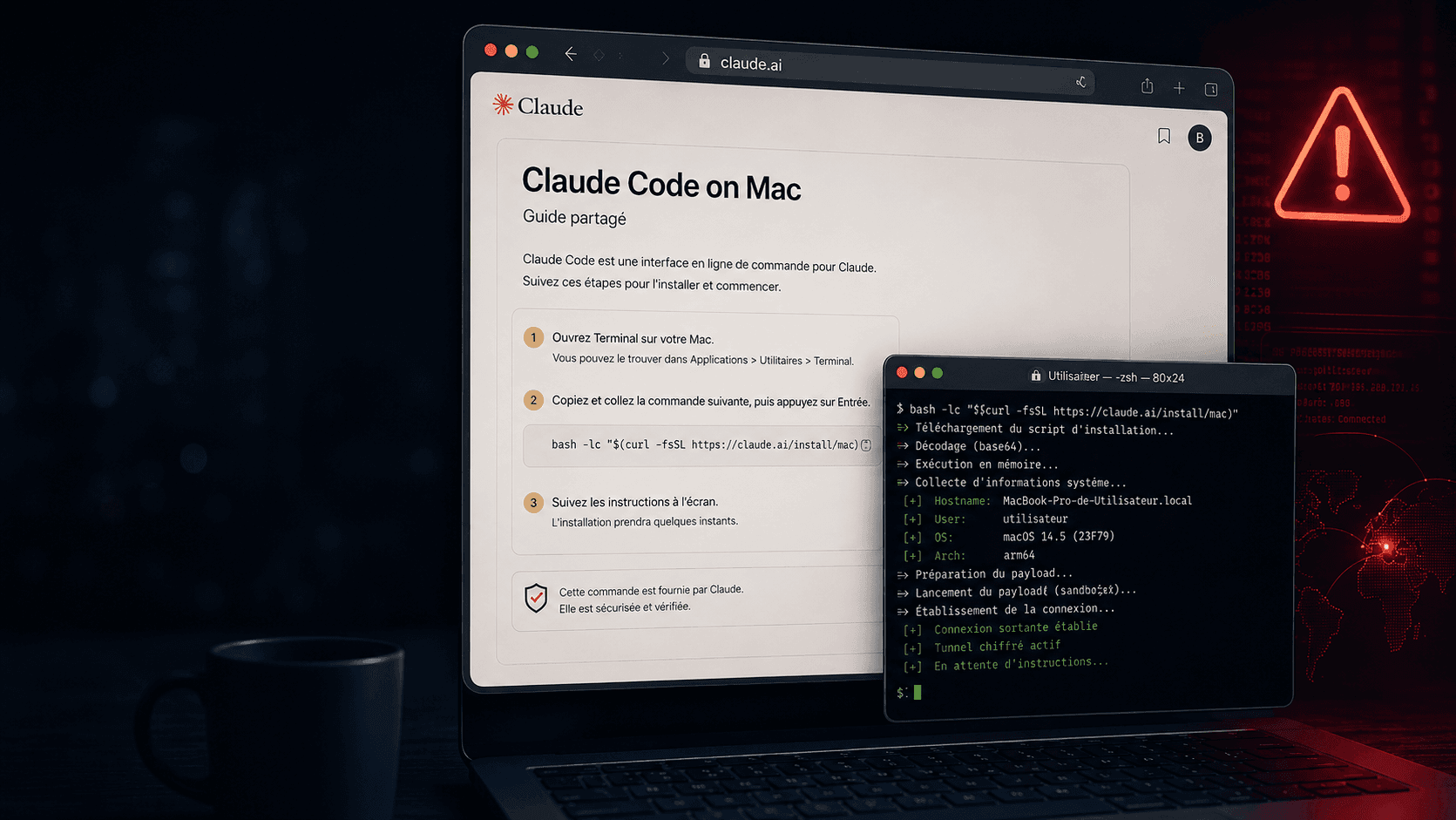 CybersecurityThe most cautious company in AI does not secure its own shared Claude chats.Anthropic denies public access to Mythos because it is too dangerous. Meanwhile, its own claude.ai domain serves as a phishing page through shared chats. The AI industry invests in spectacular risk and neglects the mundane risk.
 CybersecurityHong Kong: when refusing to hand over your password becomes a confessionIt is the latest extension of the implementation rules under Hong Kong's national security law. Police can now compel anyone suspected of endangering national security to hand over their password, their decryption method, or…
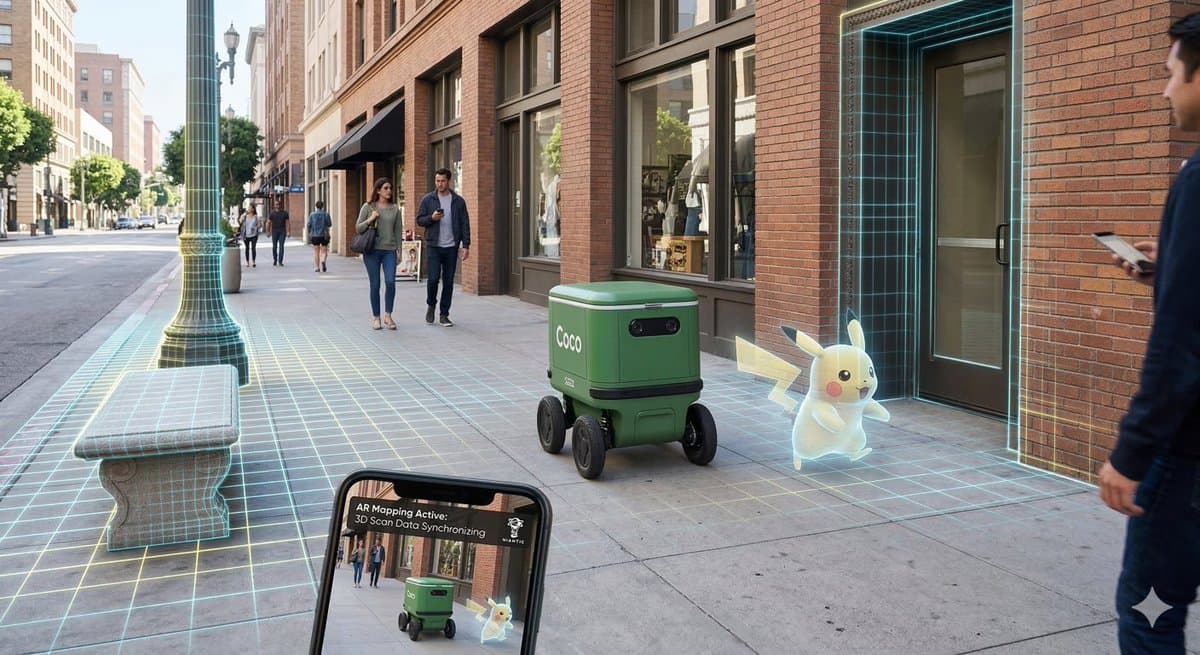 SocietyPokémon Go, 30 billion images and delivery robots: anatomy of an invisible consentPokémon Go: 30 billion images of players are now used to train delivery robots. It was all in the terms of service. But was the consent truly informed?
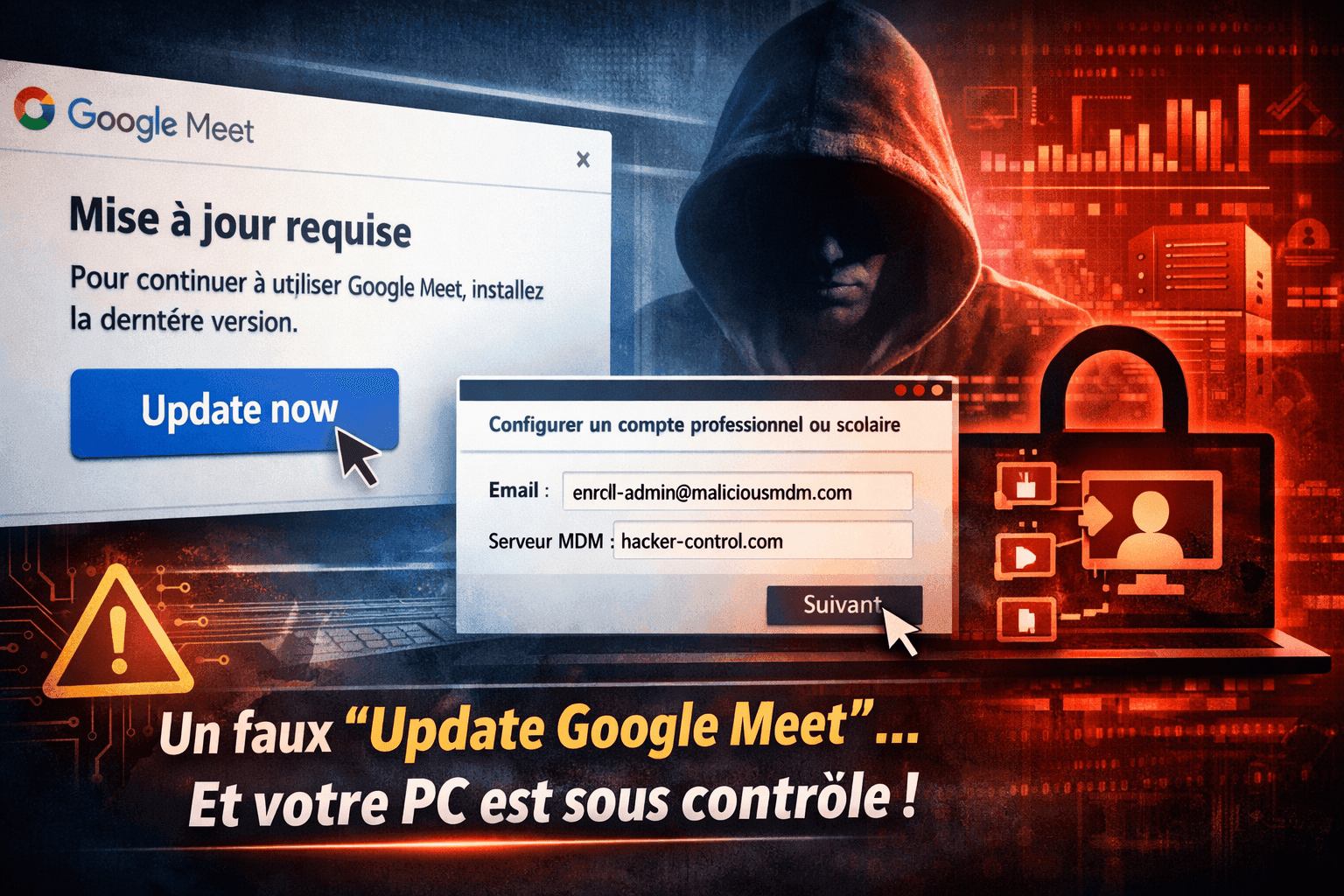 CybersecurityA fake Google Meet button, and your PC no longer belongs to youGoogle Meet tells you an update is required to keep using the service. The page is clean, in Google's colors, with a clearly visible "Update now" button. You click. No file downloads.
 CybersecurityAn innocent photo can turn your phone into a silent spyA WhatsApp message arrives. A photo downloads on its own, the way it happens millions of times a day. You do not click. You do not open it. You do nothing. And yet your phone has become a spy
 CybersecurityWhen a prayer app becomes a weapon: the psychological cyberwar at the heart of the Iran-US-Israel conflictOn February 28, 2026, the United States and Israel launched massive joint strikes against Iran. Since then, daily life for millions of Iranians has come down to sirens, explosions, power cuts and a near-total internet blackout, against a backdrop…
 CybersecurityFICOBA: 1.2 million bank accounts exposed. So now what?FICOBA is the national register of bank and similar accounts. Created in 1971, it lists every account opened at French banking institutions: current accounts, savings accounts, securities accounts, rented safe-deposit boxes.
 CybersecurityDDoS Attacks: the "digital traffic jams" that can paralyze a country (and why it's going to get worse)A DoS / DDoS attack is exactly this: a traffic jam created on purpose, not to steal your data, but to stop you from reaching a service.
 CybersecurityNew year: what are your cybersecurity resolutions?The new year gives us a chance to ask ourselves a simple, honest question about cybersecurity: am I ready for the digital world as it is today, or as I wish it were?
 SocietyData breach at MédecinDirect: when digital health forgets what matters mostThe cyberattack that hit MédecinDirect, disclosed in early December, affects up to 323,000 patients. The number is already enormous. But that is not what should worry us the most.
 SocietyFree transport, stolen data: the scammers travel first classIt is yet another Facebook scam, but one that works far too well. For several weeks now, hundreds of French people have been falling for a tempting promise: a free or heavily discounted pass for public transport. And the catch?
 CybersecurityFine for X, offensive against Telegram: Europe is waging war on digital freedomOn Friday 5 December 2025, the European Commission fined X, Elon Musk's platform, 120 million euros. On the surface: a simple slap on the wrist for failing to comply with the Digital Services Act (DSA). In reality?
 CybersecuritySpyware: when the State outsources the spying on your phonesANSSI has just released a detailed report on the threat targeting mobile phones. It covers vulnerabilities, "zero-click" infection chains, cybercriminals... but also a private surveillance market that sells spying capabilities...
 CybersecurityBlack Friday, Christmas, Sales: Cybercriminals Are Waiting for YouEvery year, at the same time, the queues move to virtual carts. Promotions explode, ads flash, "must-have" deals multiply... and in the shadows, cybercriminals are rubbing their hands.
 CybersecurityGmail reads your emails to train its AI, and you probably haven't turned it offGoogle has just crossed a line. And as so often, without fanfare. For a little while now, Gmail can automatically analyse the content of your messages and attachments, not to filter spam or offer you an automatic reply, but...
 CybersecurityChat Control 2.0: Europe is playing with our digital freedomsIt is one small line in an obscure text. An article barely mentioned in the mainstream press. A closed-door meeting in Brussels.
 SocietyNovember 13, 2025. Commemorate, or keep looking away?Ten years since Paris froze in horror. Ten years since French citizens were gunned down on a terrace, in a concert hall, in the streets of their own country.
 CybersecurityInfostealers: the silent threat you feed without knowing itThere are cyberattacks you never see coming. No flashy virus, no ransom messages, no brutal crash. Just a simple infostealer
 PsychologyClear brain, dense life: toward a mental hygiene for the 21st centuryWe complain of being tired, distracted, overwhelmed. But look closely and we treat ourselves like machines. Notifications in bursts. Task switching every 12 seconds.
Don't miss the next analysis